Unveiling the Magic of 3D Printers: What You Need to Know
3D printing is an incredible technology transforming industries while unlocking creativity and innovative solutions. From intricate designs to practical applications, this fascinating tech is making waves across sectors like healthcare, automotive, and education. Interest is surging as people recognize its potential for customization and cost-efficiency. Understanding how 3D printers work and their capabilities is increasingly beneficial, as they become more integrated into our daily lives.
Diving into 3D Printer Features
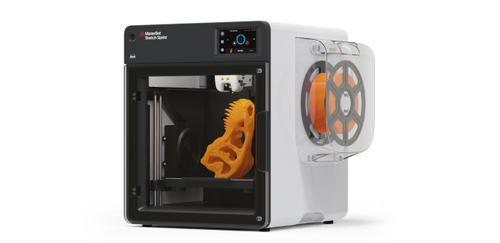
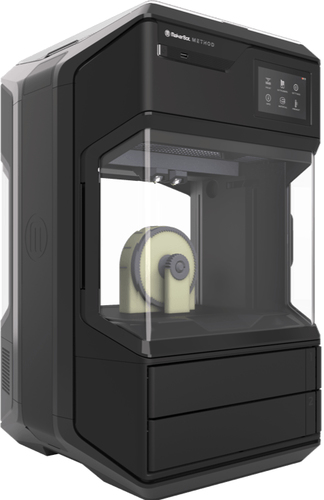
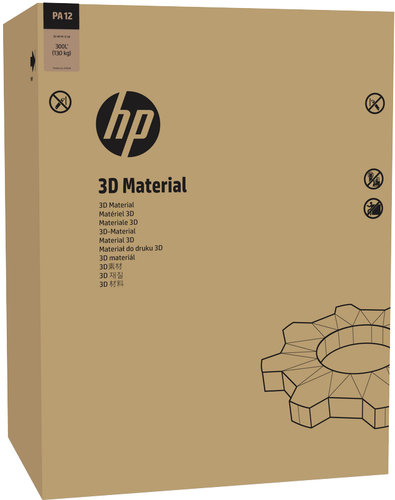
When it comes to the unique features of 3D printers, several aspects deserve attention. At the heart of these machines is their precision—usually defined by the layer resolution. This can often be adjusted to suit the needs of the project, whether you're crafting a fine detail or a rough prototype. Another key feature is the build volume, which determines the size of the objects you can create in a single print. Typically, larger build volumes are favored by professionals or businesses looking to produce bigger components.
Material compatibility is another impressive feature. From plastic and resin to more advanced materials like metals and ceramics, 3D printers can handle a surprising array of substances. This diversity in materials allows users to choose the best option for their specific application, ensuring durability and functionality. For instance, hobbyists might stick with PLA or ABS, while industrial users might explore more robust choices. In my experience, user-friendly interfaces and connectivity options—like Wi-Fi and USB compatibility—have also made a significant difference. These features cater to a wide range of users, from novices to seasoned experts. It's fascinating to see how these technical aspects continue to evolve, allowing people from all walks of life to engage with 3D printing technology meaningfully. 3D PrintersBenefits of Embracing 3D Printing Technology
The benefits of 3D printing are truly transformative. One of the biggest advantages is customization. Imagine printing a custom-fit prosthetic limb or a unique jewelry piece that's impossible to replicate through traditional means. This ability to tailor products to individual needs offers unparalleled personalization.
Speed is another major perk, especially in prototyping. Industries like automotive utilize 3D printing to rapidly develop and test parts, significantly reducing the time from concept to production. This swiftness not only accelerates innovation but also trims costs, a crucial factor for startups and large enterprises alike. Cost-effectiveness cannot be overstated either. 3D printing often allows for the utilization of less material and reduced waste, compared to subtractive manufacturing processes. This efficiency is particularly evident in healthcare, where producing bespoke medical devices can often achieve cost savings while maintaining high quality. One memorable anecdote involves a hospital using 3D printing to create exact models of patients' organs for surgery preparation, drastically improving surgical outcomes. Usually, it's the unique solutions like these that showcase the potential of 3D technology in solving real-world challenges. By embracing these benefits, industries are continuously discovering new ways to leverage 3D printing. Lessons learned from practical applications.Practical Applications: 3D Printing in Action
Across various sectors, 3D printing is making a significant impact. In the automotive industry, it's common practice to use 3D printing for prototyping. This process allows engineers to quickly test concepts and designs, ensuring functionality before moving to mass production. A personal highlight was witnessing how prototypes helped streamline the development of an eco-friendly vehicle. Thus, the technology creates room for constant improvement and innovation. 3D Printers
Healthcare continues to harness the benefits of 3D technology for creating bespoke medical aids. From hearing aids to dental implants, these printed pieces often offer enhancements in comfort and efficiency. They genuinely change lives, like in case studies where seismologists utilized 3D printing to manufacture bespoke prosthetic limbs tailored to individual needs, offering flexibility never before possible. But it's not just in established industries that 3D printing shines. Education and art communities are also embracing the tech, enabling students and artists to bring their ideas into the physical realm. Whether it's creating models for science classes or intricate sculptures, 3D printing bolsters creativity and learning. In my experience, introducing 3D printing in classrooms usually sparks joy and curiosity among students, igniting a passion for STEM fields.Choosing the Right 3D Printer for Your Needs
Selecting the perfect 3D printer often involves considering your specific needs and resources. Budget is a significant factor—an entry-level printer could be ideal for beginners wanting to experiment or learn. However, professionals might prioritize advanced features, such as higher resolution or a larger build area, despite the higher cost. Understanding your intended use is crucial.
If your purpose is more specialized, like creating highly detailed miniatures or industrial prototypes, you'll likely want to focus on printers offering the precision and material compatibility required for those projects. In my experience, consulting with seasoned users or joining relevant forums can provide valuable insights, potentially uncovering options you hadn't previously considered. Common dilemmas include balancing ease of use with advanced functionality. For example, while some models offer intricate options, they might be cumbersome for beginners. This is where understanding the feature set relative to your technical comfort level becomes important. A client once shared how overextending on features led to frustration rather than empowerment. That said, weighing your needs against the benefits each printer provides can lead to a rewarding choice. VENDOR_LINKHP 3D Process Control vs. HP Jet Fusion 5200
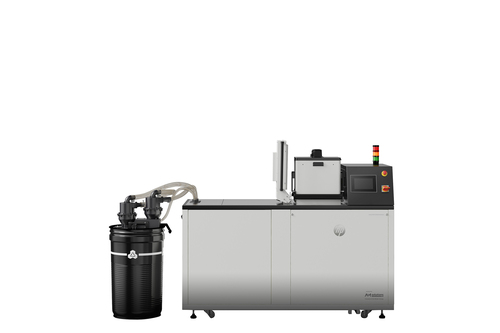
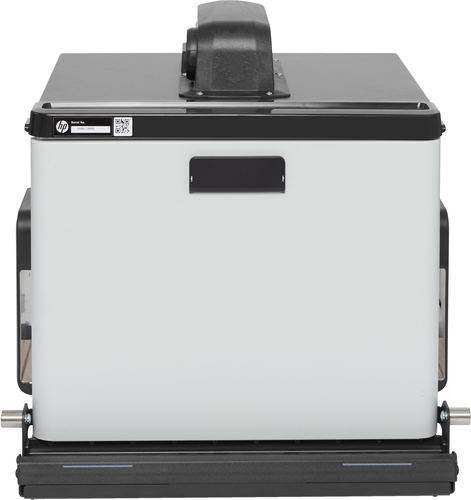
Comparing HP 3D Process Control to the HP Jet Fusion 5200 3D Natural Cooling Unit reveals distinct advantages. HP 3D Process Control is known for its unparalleled precision, which can be pivotal for quality control in production settings. On the other hand, the Jet Fusion 5200 shines in its cooling efficiency, significantly reducing turnaround times from print to finished product.
These differences often translate into practical scenarios—while someone may value the refined precision control in creating delicate components, another may prioritize speed for rapid prototyping. When assessing which product might suit you best, consider your primary goals and how each machine can fulfill those needs without compromise. Dive into detailed specifications to make an informed decision.
Get Started with Your First 3D Print
Embarking on your 3D printing journey is exciting, and the setup process is quite straightforward. First, unpack your printer and follow the manufacturer's assembly instructions; many offer intuitive guides, either digital or printed. Next, load the chosen material, typically a filament or resin, into the machine. It's crucial to follow each step faithfully to avoid mishaps later on.
The next step involves preparing your design files—commonly done using CAD software—saving them in a format your printer recognizes, like .STL or .OBJ. There's usually a learning curve here, but plenty of tutorials can help ease the process. Finally, start your print while keeping safety in mind. Ensure the printer is in a well-ventilated space and follow any specific safety guidelines. If issues arise, such as layers not adhering, common solutions might include adjusting the bed level or altering settings. The key is persistence and patience! Practice makes perfect, and with each print, you'll discover tips that make the process smoother and more rewarding.Conclusion
3D printing is a bridge between imagination and reality, with its potential continuing to unfold. It offers an extraordinary canvas for creativity, enabling innovations that were once deemed impossible. As the technology continues to evolve, keeping abreast of the latest trends and developments is essential. Explore how 3D printing can enhance your projects by diving deeper into available resources or considering how you might leverage it in your work.
Recognizing the boundless opportunities it presents—whether in reducing costs, increasing speed, or enabling customization—underpins a promising future. It's a thrilling time to be part of this journey. Consider embarking on or deepening your engagement with this game-changing technology. For further insights, continue your exploration by visiting our 3D printing category and ensure you're up to date with the latest advancements.Frequently Asked Questions
Common questions about 3D Printers