What to Know About Large Format Displays: The Must-Have Visual Solution
Large format displays are transforming the way we present and interact in various industries. These advanced visual solutions are not just about size; they have the potential to revolutionize communication and collaboration. Whether used in education or business, the benefits are numerous—promising improved engagement and more dynamic presentations. As we explore the features, benefits, and practical applications of these displays, you’ll see why they are becoming indispensable tools in our modern, tech-driven world.
Understanding Large Format Displays and Their Features
So, what exactly defines a large format display? Typically, these screens exceed 40 inches, offering impressive visibility and clarity. They often feature high-resolution visuals, making them perfect for detailed presentations. Many models integrate touch functionality—enabling a more interactive experience.
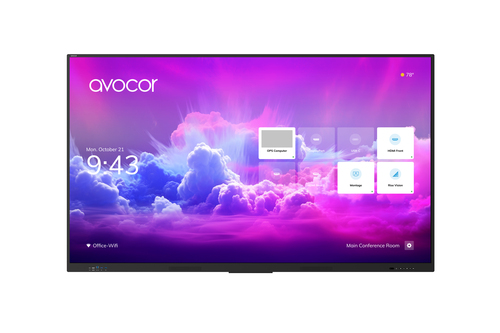
In products like the Avocor AVE-7550, you'll find advanced IR touch technology. This means you can use them as interactive whiteboards, a handy tool in both classrooms and boardrooms. Connectivity is another critical feature. These displays usually support HDMI, USB, and even wireless connections, allowing seamless integration with various devices. Brand options are plentiful, yet Avocor and ViewSonic stand out in the sea of choices. As you explore the category further, you can visit these brands to find a model suited to your needs. In my experience, investing in a display with diverse connectivity options is often worth the bump in price.The Unmatched Benefits of Going Large
Why are large format displays so beneficial, you ask? Well, they dramatically enhance collaboration. Imagine a boardroom where everyone can clearly see and interact with the displayed content.
This typically leads to better engagement and understanding, vital for both corporate presentations and educational lectures. Such displays allow the presentation of complex data with ease, proving invaluable in data-driven environments. In corporate settings, these displays support hybrid meetings, bridging the gap between in-office and remote participants. Meanwhile, in educational contexts, they breathe life into lessons, turning passive learning into interactive exploration. The ability to engage with digital content dynamically keeps viewers interested. And let's not forget about their capability to display vivid visuals, which is great for catching eyes in retail spaces. From my own experience in tech environments, the ability to engage viewers actively is often more crucial than we first anticipate.Where and When to Use Large Format Displays
Okay, so where do these displays really shine? Education is a big area—students engage more when lessons are interactive and visually appealing. Think of replacing traditional whiteboards with digital ones, offering richer content and flexibility.
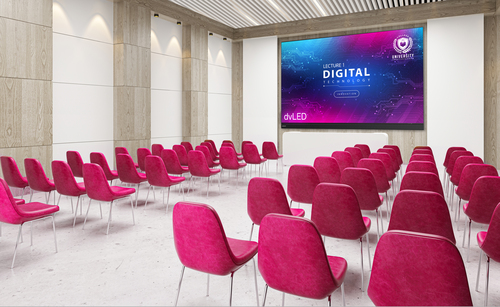
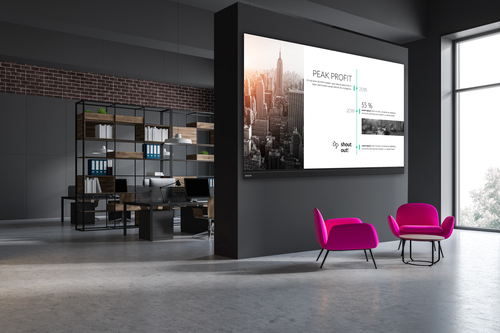
In the corporate world, meeting rooms equipped with large displays become collaborative workspaces, ideal for presentations and creative brainstorming. Hybrid and virtual meetings benefit greatly from these screens, bridging remote and in-person participants effectively. Digital signage is another killer application—think about vibrant, attention-grabbing advertisements in retail environments. Of course, while their versatility is impressive, you must consider installation requirements and operational costs. Generally speaking, exploring those use cases further can guide you toward the right investment. In my experience, weighing these factors thoughtfully can prevent costly mistakes later.Comparing Avocor's and Viewsonic's Offerings
Let's compare two popular options: Avocor's AVE-7550 and ViewSonic's WMK-070. Avocor's offering is tailored for interactive use, featuring a sleek design that fits well into classroom settings. Its IR technology provides tactile feedback, offering a more natural writing experience.
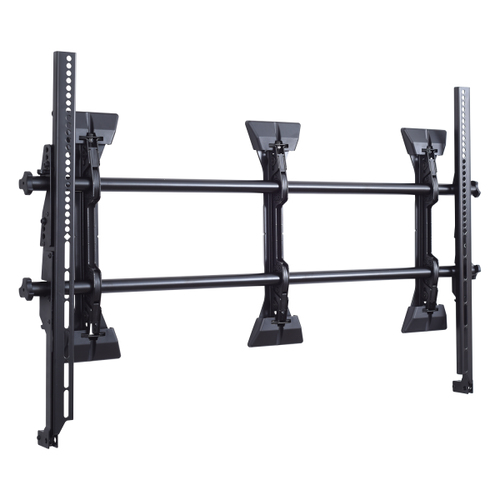
On the other hand, ViewSonic's model emphasizes robustness with its wall mount design—ideal for retail environments where stability is key. Installing Avocor’s system is often straightforward, especially with their intuitive user interface. Meanwhile, ViewSonic installation might require more planning due to its mount configuration. For classroom environments, the interactive whiteboard capability of Avocor stands out. But in retail, the sturdy design of ViewSonic ensures lasting performance. In my view, the choice depends on whether interactive functionality or physical durability is more crucial to your needs.Product Comparison: Avocor vs. Viewsonic
When considering the Avocor E50 Series, which excels in enhancing both educational and corporate collaboration, it's essential to weigh it against the Viewsonic WMK-070. The advanced features of Avocor’s IR technology offer a responsive interactive experience that is great for hands-on learning. Conversely, ViewSonic’s ergonomic mount design provides stability in environments where displays are prominently featured, like retail spaces. Ultimately, it comes down to how interactive you need your screen to be—should it command attention with dynamic interaction or withstanding support? It’s a choice between active participant engagement versus structural reliability.
Setting Up Your Large Format Display
Setting up your display—where do you start? First, choose the right wall area—one that’s visible to all participants. Make sure your chosen spot has adequate power and video connections.
Once mounted, proceed to calibrate the display, optimizing settings for the best visuals and interaction. This part often involves adjusting brightness and resolution to suit the room’s lighting. For more detailed instructions, checking here is worthwhile. Don't underestimate the importance of alignment; poor installation can lead to viewer strain and distracted attention. Ensuring everything is properly set can enhance the viewing experience significantly.Conclusion
So, are you considering a large format display? Reflect on your specific needs and the environments where you intend to use it. These displays bring unrivaled benefits in engagement and visibility, but careful consideration of setup costs and requirements is essential.
Exploring the options is a smart next step—consider seeking professional advice tailored to your unique situation. Often, consulting with industry experts can uncover possibilities you hadn't considered. Ready to dive deeper? Check out more solutions to find the perfect fit for your unique setting. After all, selecting the right display could be just the visual upgrade your space needs!Frequently Asked Questions
Common questions about Large Format Displays