
Why Consider Dot-Matrix Printers in a Digital Age?
In an era where technology is constantly evolving, dot-matrix printers stand as a testament to durability and cost-efficiency. While they might evoke a sense of nostalgia, these printers still hold unique value in industries that demand reliability and rugged output. Today, we’ll explore why certain sectors continue to rely on this seemingly old-school technology—hinting at surprising benefits and modern-day adaptations you might not expect. Let's unpack their enduring relevance.
Understanding Dot-Matrix Technology
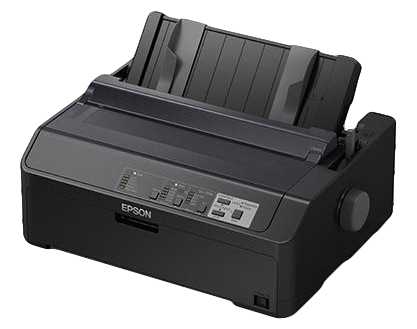
Dot-matrix printers operate with a fascinating blend of mechanical precision and impactful output. At their core, they use a print head that moves back-and-forth or in an up-and-down motion, striking an ink-soaked ribbon to create images and text. This might sound a bit retro compared to the sleek designs of modern inkjets or laser printers, but there's a charm in their simplicity and function. These printers boast unparalleled durability.
The robust design means they’re less prone to breakdowns and can endure harsh environments, often proving more cost-effective over time. Unlike the regular maintenance that inkjet and laser models demand, dot-matrix models typically keep ticking with minimal fuss. When you factor in the low operating costs—thanks to inexpensive ribbons and energy-efficient operations—it's clear why they maintain a loyal following. Another key feature is impact printing. This technology makes dot-matrix perfect for creating carbon copies or multipart forms, a feature rarely seen in newer models. Industries requiring such output, like finance and ticketing, thus find them indispensable. While not as fast or visually impressive as their high-tech counterparts, in the right settings, they’re unmatched.Benefits and Applications: Why Dot-Matrix Still Matters
Dot-matrix printers continue to thrive in specific industries, providing reliable service where newer technologies falter. For instance, in logistics and warehousing, their ability to churn out bulk quantities of forms and labels—often on multi-part paper—is invaluable. Then there’s the finance sector, where carbon copies are still a staple. But it’s not just the practicality; their cost-effectiveness is a major draw. These printers typically outlast others with their rugged build, offering superior return on investment.
There’s a real-world anecdote from a logistic giant that still counts on dot-matrix for about 60% of its printed output. It’s fascinating because they discovered that traditional printers couldn’t handle the volume and variety of paper types required for their operations. It’s a powerful reminder that sometimes old tech is the perfect solution. While shiny alternatives catch the eye, the longevity of a dot-matrix printer often leads to unexpected savings. If you’re seeking equipment that’ll stick around for the long haul, providing reliable and consistent performance, this could be your go-to option. Embrace the unexpected benefits and trust in a technology that has stood the test of time.Exploring Market Offerings: What’s Available Today?
When it comes to dot-matrix printers, several models on the market today deliver on promise and performance. Brands like Epson have consistently led in this niche, known for their legacy of quality and innovation. Their current line-up includes a range of printers that cater to diverse needs—from simple document printing to the more demanding tasks of multipart form generation. The emphasis is typically on reliability and affordability.
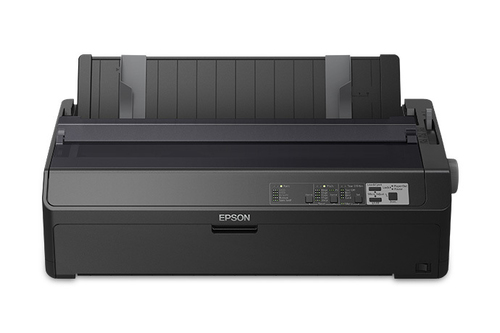
To give you a sense of what’s out there—consider the Epson FX-2190II, renowned for its long lifespan and wider format printing capabilities. With USB connectivity and improved ribbon life, it strikes a balance between old-school reliability and modern convenience. Meanwhile, their flagship models incorporate advanced features like quieter operation and enhanced graphic capabilities, essential for businesses looking to keep up with the times without excess investment. Many businesses still appreciate the niche benefits these printers offer, especially where consistency and durability overshadow the need for high-definition graphics. By choosing a reputable model, buyers invest in a product that understands unique requirements that many modern options overlook.Innovating Beyond Tradition: Modern Enhancements
Today’s dot-matrix printers have come a long way since their inception, melding traditional mechanics with modern enhancements. Many models now feature USB connectivity, allowing for seamless integration with contemporary computer systems, a giant leap from the serial or parallel ports of yore. Moreover, quieter operation has greatly improved the user experience, making them more office-friendly.
Interestingly, the quality of graphics they produce has also seen improvements, though they may not rival inkjets, they’re perfectly satisfactory for simple images or diagrams. This adaptability reflects a smart blend of reliability and innovation—a trend likely to continue as market needs evolve. As technology advances, it’s intriguing to consider where dot-matrix printing might head next. Remote monitoring, perhaps, or maybe even smart technology integration for better controls. Imagine a printer that could predict the need for new ribbons or automatically adjust settings for optimal output—they're not just dreams but potential realities, considering current market trends. Staying informed and open to these advancements will ensure that users make the most of what’s available.Comparing Leading Models: Epson's Dot-Matrix Offerings
Choosing between the Epson DFX-9000 and the Epson FX-2190II involves weighing the specifications against your needs. The DFX-9000 stands out with its rapid speeds, reaching 1550 cps, which is ideal for high-output environments. On the other hand, the FX-2190II offers stellar durability coupled with wider format printing, better for jobs involving large forms and where longevity is a priority.
While the DFX-9000 is a powerhouse for speed, the FX-2190II’s ability to handle broader tasks with consistent output can't be overlooked. When considering key specs, it's really about context—do you need blistering speed or enduring productivity? This detailed comparison might sway your decision, helping identify which model fits within your operational framework.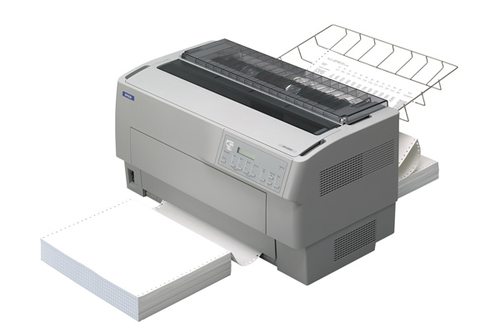
Setting Up Your Dot-Matrix Printer: A Step-by-Step Guide
Getting a dot-matrix printer setup correctly can streamline your operations and minimize issues down the line. Start by carefully unpacking the device and all components. Ensure you have the right cables—USB or parallel—and connect them to both the printer and your computer. For more on this, check our guide on choosing the right printer cable.
Loading paper can sometimes be tricky, so make sure it's aligned properly to avoid jams. Common pitfalls often involve paper misfeeds, which are usually triggered by improper loading. Double check the user manual or manufacturer's instructions for any model-specific tips. Finally, troubleshooting shouldn’t be daunting. Many minor issues can be resolved by checking cable connections or referring to settings adjustments. Remember, precision in setup pays dividends in a smooth, hassle-free printing experience.Conclusion
Despite their vintage feel, dot-matrix printers remain essential for many businesses. Whether you need reliable multipart form printing, seek cost-effective solutions, or appreciate something that simply gets the job done with minimal upkeep, these printers have a place in the modern office.
Consider the specific use cases we’ve discussed, alongside your budget and operational needs. They can offer unparalleled longevity and performance benefits often overlooked amid the allure of newer technology. That’s why understanding all their features thoroughly before deciding is crucial. If you think a dot-matrix printer might be your solution, explore further options to see how these tested machines could fit into your setup. Remember, it’s about matching your specific requirements with the right tool—efficiency doesn't always mean cutting edge.Frequently Asked Questions
Common questions about Dot-matrix