
Why Choose Thermal Printers? Discover the Benefits and More!
Thermal printers are becoming increasingly popular across various sectors, capturing attention with their efficiency and cost-effectiveness. These compact devices may seem unassuming, but they pack a punch in terms of reliability and output quality. Unlike traditional printing options, thermal printers offer a unique approach by eliminating the need for ink or toner. This post will explore the features, benefits, and real-world applications that make thermal printers a smart choice for many businesses.
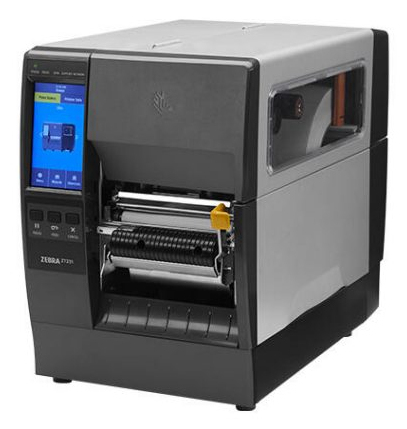
What Are Thermal Printers and How Do They Work?
Thermal printers use heat to produce images on paper, employing one of two primary methods: direct thermal and thermal transfer. Direct thermal printing, often found in receipt printers, involves direct contact between a thermal printhead and heat-sensitive paper, offering simplicity and low maintenance. On the other hand, thermal transfer printing uses a heated ribbon to transfer ink onto various surfaces, delivering durable results on labels.
Common materials like heat-sensitive paper or polyester-based ribbons play crucial roles in ensuring high-quality prints, with their selection depending on the intended use. For instance, direct thermal paper is ideal for short-term labels due to its sensitivity, whereas thermal transfer ribbons offer longevity for labels stored under adverse conditions. Thermal technology shines in environments ranging from retail, where checkout speed is pivotal, to logistics, where barcode labels maintain clarity under duress. If you're considering a printer to streamline operations in these sectors, a thermal printer might be the solution you need. Explore more about how different printers work in retail settings.Key Benefits of Using Thermal Printers
One of the biggest advantages of thermal printers is their minimal maintenance requirements, thanks to fewer moving parts. This means fewer breakdowns and less downtime—good news for environments requiring constant operational efficiency. Plus, the printing speed of thermal models can far exceed that of non-thermal counterparts, making them ideal for high-volume needs.
Reliability is another core asset; thermal printers are built to withstand tough conditions, whether on a bustling warehouse floor or outdoors in various weather conditions. Uninterrupted workflows result when you know your printer can take a hit and keep on ticking. This durability makes them particularly suited for industries like transportation and healthcare, where device dependency is non-negotiable. Cost-efficacy is worth noting too. Although initial investments may vary, the savings on consumables like ink or toners can be significant over time, making them an economical choice for budget-conscious businesses. If you're evaluating choices, don't forget to compare how maintenance costs stand up with other printer types. For more insights talking about printer consumables, check out our previous blog.Real-World Applications: Is a Thermal Printer Right for You?
Thermal printers find their niche in various industries, proving their mettle in demanding environments. Retail giants use them at the checkout for receipts, leveraging quick print speeds that keep lines moving. In warehousing, barcodes are pivotal for inventory management, often subjected to harsh conditions—an area where thermal printers excel.
Healthcare facilities also rely on them for printing wristbands and prescription labels, ensuring essential information remains intact despite constant handling. Before you decide if a thermal printer is your best bet, consider the specific challenges you're facing. Are these printers addressing your need for fast, durable printouts in extreme conditions? While evaluating, take into account your unique requirements—whether it’s the volume of printing, reliability, or budget considerations. It's crucial to align these needs with the capabilities of thermal technology, as covered in our printer choice guide. This way, you're not just buying a device; you're investing in efficiency and reliability.Choosing Between Thermal Printer Models: What to Consider
Selecting the right thermal printer involves considering various factors that align with your specific needs. Start by assessing your print volume to ensure the printer can handle your workload without frequent interruptions. Connectivity is another key aspect—Bluetooth and Wi-Fi options offer flexibility, especially if you’re always on the go or switching between devices. Environmental factors like heat and humidity can also affect performance, so consider these when choosing a model suitable for your conditions.
Long-term costs matter as much as the initial price. While some models may seem pricier at first, savings on consumables and maintenance can justify the investment. However, it’s easy to make mistakes if you only focus on upfront costs without considering operational savings. I’ve seen cases where a seemingly affordable model ended up costing more in consumables than premium options. Seek insights from industry experts and peers who’ve faced similar challenges. They often provide tips that aren’t readily apparent, helping you avoid common pitfalls when selecting a device. For more on avoiding potential pitfalls when choosing printer consumables, check this related post.Product Face-Off: Brother RJ-2050 vs. Canon SELPHY CP1500
If you're debating between the Brother RJ-2050 and the Canon SELPHY CP1500, the choice comes down to specific needs. The Brother RJ-2050 is lauded for its rugged portability, boasting Bluetooth and Wi-Fi connectivity—features that deliver impressive speed perfect for mobile use and receipt printing. It's your go-to for on-the-road tasks and environments where durability is key.
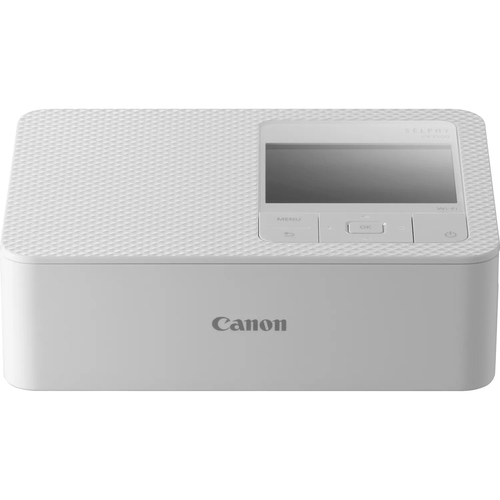
Conversely, the Canon SELPHY CP1500 excels in vibrant color photo output. It's ideal for preserving family memories, standing out with dye-sublimation technology that guarantees longevity. Specialized in personal photo printing, it wouldn’t be your first choice for high-volume receipt printing, but it shines in creating colorful prints that last. Both models address distinct needs—Brother for business durability and Canon for home artistry. Carefully consider your primary use to see which aligns best with your requirements.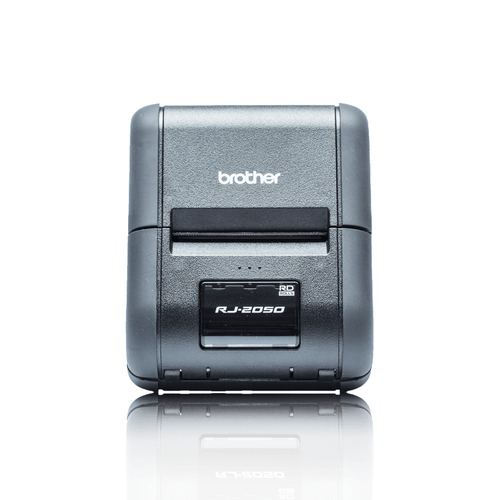
How to Set Up Your Thermal Printer Like a Pro
Setting up a thermal printer can be a breeze if you follow these steps. Begin by unboxing your device carefully, ensuring all parts are intact. Next, install the print drivers on your computer—most brands provide easy-to-follow guides or software prompts. Once the drivers are installed, configure settings on your device for optimal results.
Connecting your thermal printer to your network is often as simple as linking it via Wi-Fi or Bluetooth. Modern printers frequently come with companion apps that streamline this process, offering insights into maintenance and operation. Be cautious of common pitfalls like loose cables or incorrect settings, which can impact print quality. Regular maintenance, like cleaning print heads, ensures longevity and consistency in output. Exploring these expert tips can further enhance your home or office setup.Conclusion
In summary, thermal printers present distinct benefits, from cost-saving maintenance to rapid print speeds and durable print quality. Their versatility across industries, whether in retail or healthcare, underscores their growing charm. As you ponder on investing in a thermal printer, weigh the advantages against your specific requirements.
Exploring various models—factoring in print speed, connectivity, and environmental suitability—will lead to a choice that aligns with operational needs. As technology evolves, thermal printing is poised to reach new frontiers, continuing to save time and enhance productivity. For further guidance or to delve deeper into these models, check out our detailed category page. Feel free to share your insights or questions below—engaging with our community adds tremendous value.Frequently Asked Questions
Common questions about Thermal