Is a Black and White Laser Printer Right for You?
In today's fast-paced world, having a reliable and cost-effective printing solution at your fingertips is crucial. Black and white laser printers have gained significant traction for home and office use because of their efficiency and long-term cost-effectiveness. This guide is here to help you determine if a black and white laser printer is right for you, delving into its features, benefits, and practical scenarios where it truly shines.
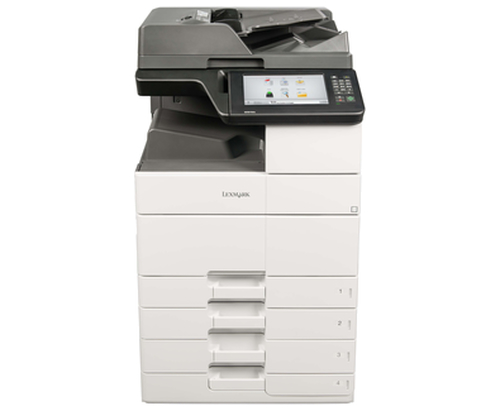
Understanding Laser Black and White Printers
Laser black and white printers, or monochrome printers, operate using laser technology to produce sharp text and graphics. They stand out for their high-speed capabilities and precision. Unlike inkjet printers, laser printers utilize toner cartridges, which don't tend to dry out and typically handle high-volume tasks without breaking a sweat. For instance, print speeds often range from 20 to over 40 pages per minute (ppm), offering a significant efficiency boost for those endless document marathons.
Print quality, measured in dots per inch (DPI), can reach up to 1200x1200 DPI in some models, ensuring clarity even for detailed documents. Such specifications are vital when you need crystal-clear text output. On paper, these specs translate to a machine that's not just fast but reliable, reducing job queue times for businesses or schools with heavy print loads. They're particularly suited for environments where color printing isn't a priority but where precision and speed are essential, such as in law firms or libraries. You might want to check out more about these capabilities in our section on essential features.Benefits of Choosing Laser B&W Printers
Choosing a black and white laser printer can often mean significant cost savings over time. Toner cartridges generally last much longer than inkjet cartridges, and with laser printers, the cost per page tends to be lower. That's especially relevant if you find yourself printing frequently.
These printers are also known for their durability and lower maintenance needs—requiring fewer repairs and longer time between routine check-ups. In my experience, the robust design of laser printers makes them a reliable partner in any office setting; plus, it's nice not having to worry about ink smudging at the last minute! For businesses, these benefits translate to less downtime and more productivity. The same goes for home users who print extensively for personal or work-related tasks. Whether it's printing contracts, essays, or lengthy reports, these machines have got your back. Intrigued by how these advantages can benefit different sectors? You might consider reading about who benefits most from laser monochrome printers.Practical Applications for Monochrome Printers
Monochrome printers shine brightest in environments where sharp text output is required over vibrant graphics. You might find them in use for printing financial reports, academic papers, or legal documents, where clarity and precision are paramount.
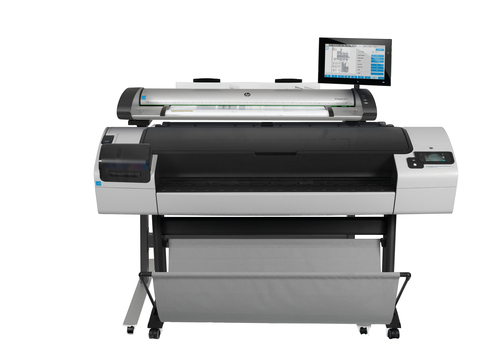
They're also a go-to for tasks like printing wide-format documents and blueprints—thanks to their high DPI capabilities, ensuring every line is crisp and readable. My experience has shown they can handle the rigorous demands of CAD printing, making them indispensable tools in architectural and engineering fields. While it might be tempting to go for color, remember that 'always printing' responsibly goes beyond hues. Adopting eco-friendly practices, like recycling toner cartridges, is easier with monochrome printers due to fewer consumables. Need more on their sustainability aspect? The section on wide format printer maintenance might give you useful insights.Exploring Premium Options: Are They Worth It?
Given the sheer array of models, you might wonder, 'Is a premium laser B&W printer necessary?' Typically, premium models might offer advanced features like higher speeds, better build quality, and additional connectivity options. However, it's essential to consider your specific situation. After all, a mid-range model might meet your needs without breaking the bank.
From an environmental perspective, some newer models are designed with sustainability in mind—less power usage, more efficient toner. Nevertheless, whether you're an eco-warrior or just looking for efficiency, analyzing your printing volume and tasks can dictate your choice. In my professional experience, heavily considering your budget is crucial. You'd be surprised how well middle-range printers handle everyday tasks while saving money. As technology evolves, even cheaper models can offer features like wireless connectivity and quicker first-page-out times, making them well-suited for everyday tasks. Meanwhile, premium options are often best for large offices with demands for same-day printing, where every second counts.Comparing Xerox VersaLink and Lexmark MX522adhe
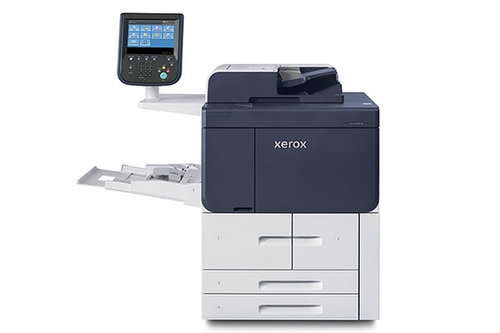
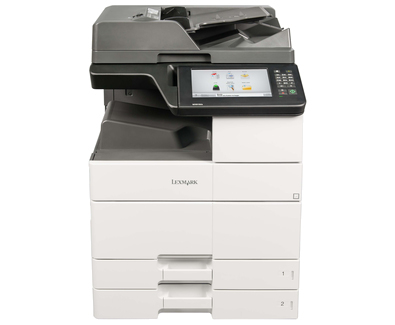
When pit against each other, Xerox VersaLink B7135 and Lexmark MX522adhe both exhibit distinct strengths. The Lexmark boasts print speeds of up to 44 ppm compared to Xerox’s 35 ppm, ideal for environments needing swift document turnover.
Designed with smaller offices in mind, Lexmark’s model has lower energy consumption, perfect for those looking to reduce power usage. In contrast, Xerox’s higher DPI quality caters to users needing fine precision and versatility with multifunction capabilities, including scanning and copying. So, which should you choose? If your office is larger and requires all-in-one capabilities, Xerox might be your best bet, offering comprehensive solutions. On the other hand, for efficient, fast-paced environments, the speedier Lexmark model might serve you better.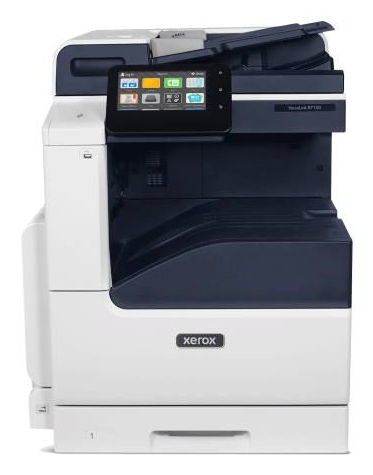
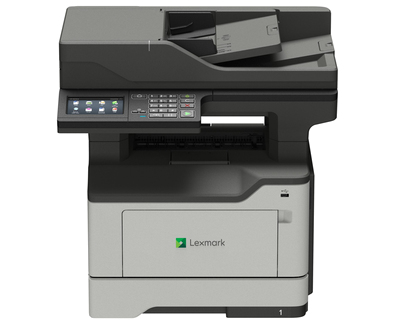
How to Set Up Your Laser B&W Printer for Optimal Efficiency
Setting up your new laser B&W printer doesn't have to be a daunting task. Start by unboxing carefully and finding a stable, centralized location to maximize wireless signal strength.
Connect to your network either via WiFi or Ethernet for larger offices. Once connected, optimizing the settings can improve performance: adjust print quality and set power-saving modes for less energy consumption during idle times. Routine maintenance is also key—cleaning the inside of the printer to avoid dust buildup and checking supplies like toner levels regularly. Doing so not only extends your printer's lifespan but maintains print quality over time. (Trust me, it’s better than dealing with a last-minute toner panic before a big print job!). This optimized setup guide might enlighten you further on ensuring top-notch printer performance.Conclusion
We've explored the benefits of black and white laser printers—efficiency, reliability, and cost-effectiveness—making them a solid choice for both home and office environments. Whether you're printing daily reports or lengthy documents, these printers handle it all with ease. We've also discussed the practical applications for industries like education and finance, where clarity and speed are paramount.
When it comes to comparing models, features like print speed and energy efficiency guide the decision. Remember, evaluating your specific needs and budget constraints is crucial. For more information, consider visiting Lexmark's official site for detailed insights on various models. Ready to make a purchase? Check out our category page for recommended models that might just fit your needs perfectly.Frequently Asked Questions
Common questions about Laser - B/W