Do You Really Need a 3D Printer? Discover the Benefits, Features, and Best Options
3D printers seem to be all the rage these days. From buzzing about their role in healthcare tech innovations to their utility in crafting unique hobbies at home, they're making waves. But are they really for you? That's the question we're here to explore. Let's dive into the fascinating world of 3D printing to unravel its perks, features, and varied uses, to see if a 3D printer might just be what you're missing.
Exploring the Features of Modern 3D Printers
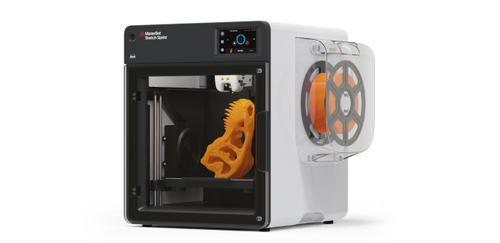
When it comes to modern 3D printers, the technical lingo—like resolution, build volume, and material compatibility—can sound like a foreign language. But don't worry, it's simpler than it seems. Resolution in a 3D printer is akin to the clarity of a camera; higher resolution means more detailed prints. Meanwhile, build volume dictates the size of your creations, just like the dimensions of a cake mold.
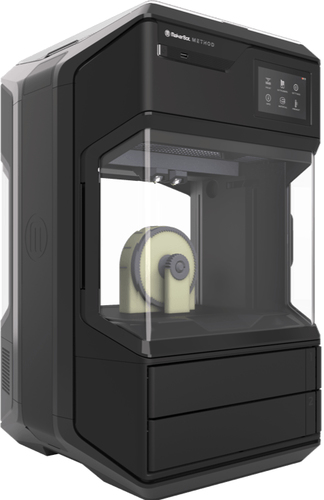
Then there's the matter of materials: filament and resin. Think of them as different paint types—some are better for certain surfaces and effects. Filament printers, like FDM (Fused Deposition Modeling), use spools of plastic, while SLA (Stereolithography) machines use liquid resin, offering different benefits. Brands like HP DesignJet or Canon imagePROGRAF are designed with these features in mind. They offer varying levels of complexity and functionality to spur creativity, whether you're designing a prototype or crafting a new toy. These features aren’t just bells and whistles but crucial elements that expand your creative horizons. Check out these category options if you're curious about which suits your style.Unlocking the Benefits: Why 3D Printers Are Game-Changers
The real allure of 3D printers is their versatility. Customization is king—imagine crafting a bespoke phone case tailored perfectly to your grip. And rapid prototyping? It's like having an idea-and-go studio. You draft a design, send it to print, and voila—tangible product in hours, not weeks.
Consider the home décor arena, where you can implement turn-key CAD printing services like Mycadprinting, perfect for manufacturing prototypes or that quirky plant holder you envisioned. Moreover, it’s economical—printing a replacement part at home isn’t just nifty, it’s cost-effective. The ability to create parts saves time and reduces waste in manufacturing cycles. This convenience extends to a range of sectors: from engineering firms cutting costs with in-house prototypes to DIY enthusiasts revolutionizing their garages. And yes, 3D printing stretches into even science fiction realms—like printing a lunar base component. But whether grand or domestic, the ultimate benefit remains the adaptability and immediacy these printers offer.Practical Applications of 3D Printing
As we navigate the applications of 3D printers, the list seems endless. For architects, these machines bring blueprints to life in miniature landscapes, offering tangible insights into design choices. Educators, meanwhile, employ 3D printing to make learning tactile—think creating a historical artifact replica or a molecular model, sparking student imagination and engagement.
Across the board, same day printing possibilities mean project timelines shrink significantly. And with wide format printing, complex designs become reality in a single piece, enhancing workflow efficiency. Innovators continually look towards 3D printers as boundary-pushers—ushering in new solutions for age-old puzzles. This exploration of their potential often opens doors to ideas previously constrained by traditional methods. Whether crafting a simple gadget or reshaping industry standards, 3D printers stand as dynamic tools for transformative thinking.Is a Premium 3D Printer Worth It?
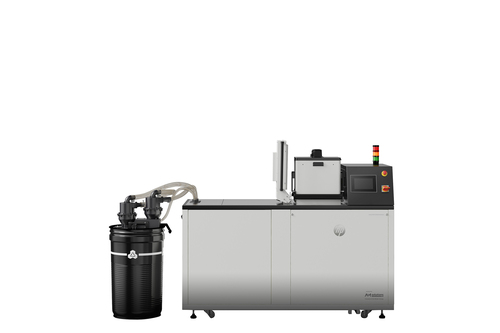
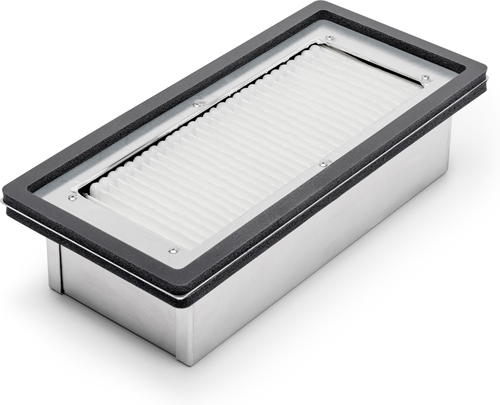
And here lies the dilemma—do you splurge on a premium model or snag a budget-friendly version? Premium options, like the HP Jet Fusion series, flaunt advanced filtering, such as the air exhaust or pneumatic options, to refine your print. But does higher cost always result in higher value?
Not necessarily. In my experience, weighing budget against necessary features is crucial. If you’re producing high volumes, the higher upfront cost might balance with long-term efficiency gains. But for light home use, those extra bells and whistles may remain just that—unused and unnecessary. Considering the environmental angle, high-end models often focus on sustainability, utilizing materials more efficiently. However, if it’s your first dip into 3D printing, starting small might avoid resource over-consumption. Whether you're an industry veteran or a novice, reflecting on your needs versus the marketed benefits helps craft a well-rounded choice.Comparing HP Jet Fusion 500/300 vs. 5200 Series
When comparing HP Jet Fusion 500/300 Series and HP Jet Fusion 5200 Series, several differences stand out. Key distinctions include air exhaust filters on the 500/300 Series, improving workplace safety, while the 5200 Series' pneumatic filters optimize efficiency. Pros and cons diverge based on usage needs: larger setups might find the 5200's industrial capacity appealing, whereas small businesses could benefit from the 500/300's economy of space. Curious? Access more info to dive deeper before deciding.
How to Get Started with Your First 3D Print
Ready to embark on your first print? Start by choosing the printer suited for your needs. Setting it up can be straightforward—most come with easy-to-follow guides. Before printing, prepare your design files carefully. Avoid errors by optimizing the file format to suit your printer's capabilities.
Choosing the right materials is essential; consider project demands—whether flexibility or durability. Maintenance? Simple tips like regular nozzle cleaning and bed leveling keep prints perfect. Want detail on commencing your journey? Check out your first steps for additional insight. Happy printing!Conclusion
After exploring what 3D printers bring to the table, it's clear they're not just trendsetters. From professional domains to personal crafts, they redefine how we create and innovate. Is a 3D printer the catalyst your projects need? Take the time to evaluate your needs, and be sure to leverage resources and community support. The world of 3D printing is expansive, offering endless learning. Consider exploring further—experts and communities can guide your journey. Ready to choose your printer? Dive into these printer options to pinpoint that perfect match.
Frequently Asked Questions
Common questions about 3D Printers