How to Choose the Best Printer Consumables for Your Needs
Printer consumables are more than just supplies—they’re the heart of your printing operations. Understanding what goes into your printer ensures you’re getting the optimum performance it’s capable of delivering. From toner cartridges to drum units, each plays a crucial role in your daily tasks. Are you sure you’re maximizing your printer’s full potential? Let’s delve into how choosing the right consumables can make a world of difference in your printing endeavors.

Understanding Different Types of Printer Consumables
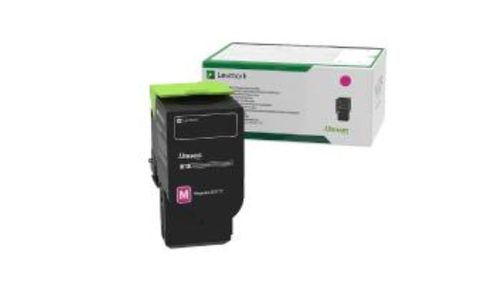
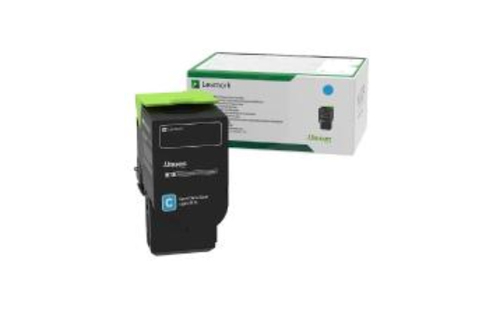
Navigating the world of printer consumables can initially seem overwhelming given the variety available. First off, you have ink cartridges and toner cartridges—key components for producing printed images and texts. Ink cartridges are typically used in inkjet printers, offering vibrant colors for images and photos but sometimes at a potentially higher operational cost due to frequent replacements. Meanwhile, toner cartridges are designed for laser printers, known for their crisp text and longer shelf-life, making them ideal for extensive text documents.
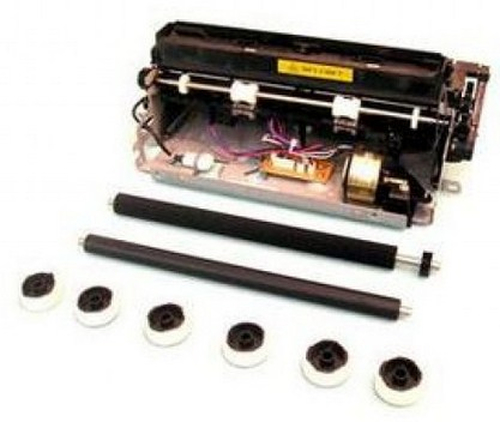
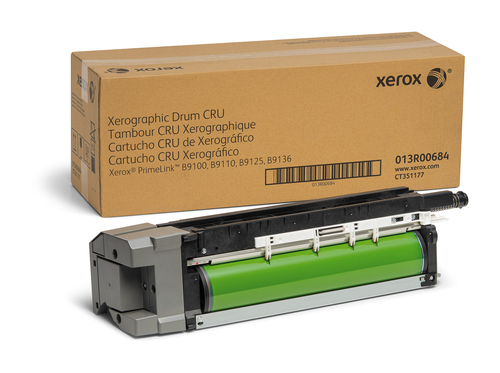
But there's more to it than that. Drum units, often a lesser-known component, work hand-in-hand with toner cartridges to transfer your digital images onto paper. Now, let’s talk about the types: original, compatible, and remanufactured consumables. Original consumables or OEMs, made by the printer's manufacturer, ensure the highest quality but come with a steeper price tag. Compatible consumables, made by third-party manufacturers, are lighter on the wallet but, in my experience, can sometimes be a bit hit or miss in quality. Then you have remanufactured options—deemed eco-friendly but requiring careful vendor selection to avoid quality pitfalls. These choices can significantly impact your printing experience. Misconceptions abound, like the assumption that all compatibles will harm your printer. Not true—with a little research and compatibility checks with your specific printer models, such as HP DesignJet or Canon imagePROGRAF, you can find reliable options.Evaluating the Benefits of Quality Consumables
When it comes to investing in high-quality printer consumables, many might wonder if it's worth the extra cost. In my experience, the answer is usually yes. By opting for superior consumables, you’re not only enhancing the reliability of your printer but also minimizing the likelihood of frequent repairs. Premium consumables generally include advanced quality controls, resulting in fewer printing errors and a more consistent output—important for professional fields that rely on precision.
Take large format printers, for instance, which are often used for blueprint printing or Mycadprinting projects. The quality of consumables can be the difference between a clean, accurate print and one plagued with streaks and imperfections. The environmental impact is also a significant consideration. High-quality consumables are often manufactured with more sustainable practices, meaning you're reducing your carbon footprint every time you print. Ultimately, investing in quality contributes to not only the longevity of your printer but also the satisfaction of seeing your projects completed with precision. In the long run, the higher initial cost often pays off through savings on maintenance and improved productivity, making them a smart choice for those who depend on consistent, high-quality prints.Practical Use Cases: When and Why to Choose Specific Consumables
Certain printing tasks or industries especially benefit from selecting the right consumables. For instance, wide format printing often requires using OEM consumables to achieve optimal results. This is commonly seen in architecture firms or design studios where precision in blueprints is non-negotiable. In such cases, using the correct toner and drum units is crucial to avoid miscommunications or costly errors in project drafts.
When dealing with high-volume printing, such as in office environments, you might weigh cost-effectiveness against output quality. Here, compatible supplies can offer considerable savings while still delivering satisfactory results for less critical tasks. However, if you're working on projects that demand high color accuracy—perhaps for a marketing campaign—investing in OEM consumables might be your best bet. The frequency of printing also plays a role in this decision. For heavy users, high-yield cartridges are a game-changer, as they reduce the frequency of replacements and downtime. On the other hand, occasional printers might lean towards remanufactured options, balancing cost-saving with a lighter environmental impact. For more tailored insights, visiting industry-focused forums can be incredibly beneficial.Choosing the Right Consumables for Your Printer Model
Selecting the right consumables tailored to your specific printer model can save you time and avoid headaches. Start by identifying the exact model of your printer, whether it’s an Epson SureColor or a brand from the wide format printer series. Each has specific requirements, and using non-compatible consumables can lead to subpar performance or even damage.
In my experience, it's crucial to cross-reference your printer model with potential consumables—using your printer's manual can be a helpful first step. Product pages on manufacturer sites like Lexmark’s official resources also offer compatibility assurances. Be cautious of purchasing toner that doesn’t match in terms of type or size—a mistake often made but easily avoided with proper attention to detail. Don't forget about newer features like smart cartridges that sync with your printer for optimal performance. It’s these thoughtful choices that often differentiate a smooth operation from a frustrating ordeal. For more nuanced tips, explore comprehensive guides that detail how to make the best choice.Comparing Lexmark and PCI Toner Cartridges
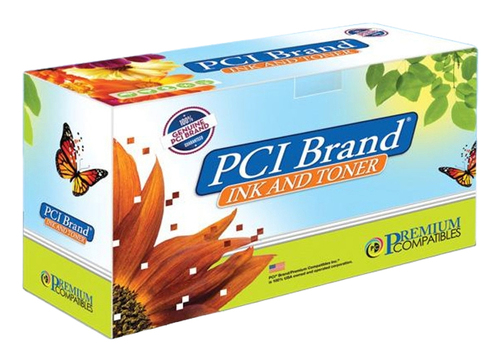
When comparing the Lexmark 24B6020 toner with the PCI 43502001- toner, key differences emerge in terms of original versus compatible nature. The Lexmark is an OEM product, boasting high compatibility and quality assurances. It's often preferred by high-volume print shops due to its reliability and significant page yield, which usually justifies the higher price point.
On the other hand, the PCI option presents a more budget-friendly alternative without compromising too much on output quality, thus appealing more to small businesses striving for cost-efficiency. While Lexmark shines in its consistency and longevity, PCI offers savings upfront, making it a viable choice for those printing less frequently. Each serves its purpose well, depending on specific needs and business models.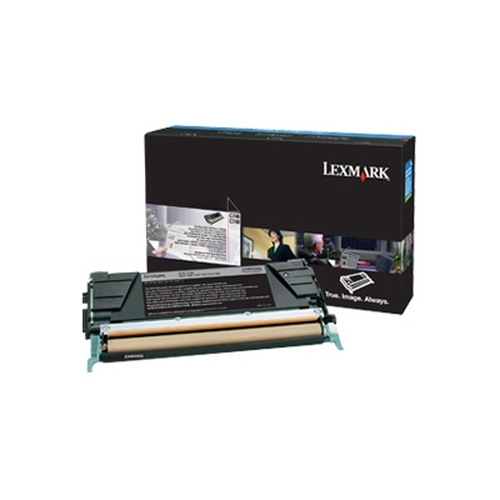
How to Replace Your Printer Consumables Like a Pro
Replacing printer consumables efficiently can seem daunting, but it’s quite manageable with a bit of preparation. Start by identifying the correct model number for your consumable to ensure compatibility. Once you have the right item, power down your printer to prevent any unexpected issues. Open the printer cover and gently remove the exhausted cartridge or drum unit—avoid aggressive handling to prevent any damage or toner spills.
Handle new consumables with care, keeping them in optimal temperatures, and be cautious of expiration dates which can affect quality. Insert the new part, making sure it securely fits into its slot. Power the printer back on and run a test print to ensure everything is functioning correctly. If you encounter issues like streaky prints post-replacement, try recalibrating your printer or checking for any loose connections. With this simple process, you’ll keep your printer running smoothly.Conclusion
Choosing the right printer consumables isn't just about immediate cost savings—it's about enhancing the quality and longevity of your prints. By selecting consumables that align with your needs, whether it's for frequent CAD drawings or same-day print services, you set yourself up for success. We’ve discussed the importance of understanding different types of consumables, evaluating their long-term benefits, and practical considerations for specific uses. These insights can guide you toward informed decisions, leading to potential cost savings and a lighter environmental impact.
As you assess your specific requirements, don’t hesitate to explore category resources that offer guidance tailored to various needs and printer models. An informed choice today often translates to better print results and prolonged printer life tomorrow.Frequently Asked Questions
Common questions about Printer Consumables