Is a Laser B&W Printer Right for You?
In the age of vivid color prints, the steadfast preference for laser B&W printers may seem a bit bewildering. Yet, their persistent appeal lies in their unmatched efficiency and affordability. With these printers, not only do you save time, but money too. In this post, I'll guide you through the essential features, benefits, and practical applications of laser B&W printers, helping you determine if it's the ideal choice for your specific needs.
Understanding the Basics: How Do Laser B&W Printers Work?
Laser B&W printers operate on a fascinating principle that involves a laser beam and toner working in tandem. When you send a document to print, a precise laser beam draws the image of your page on a rotating drum known as the photoreceptor. This drum is then charged differently, allowing it to attract toner particles that are subsequently fused onto paper. It's a neat bit of tech that transforms potential energy into physical output. This method not only achieves swift print speeds but also enhances clarity.
Monochrome printing comes with an inherent set of advantages. Speaking from experience, the speed of B&W printing often leaves the clunky color counterparts in the proverbial dust. When you're crunching on deadlines, rapid printing is a godsend. Not to mention the consistent reliability—fewer moving parts mean fewer breakdowns, usually. Now, that’s something businesses might find appealing. While industry insights suggest laser printers keep getting smarter and more robust, the core simplicity remains unchanged. If you're mulling over your next printer purchase, don't overlook these trusty workhorses. For a more in-depth discussion about the mechanics of monochrome laser printers, dive into our detailed category section.Must-Know Features and Specifications
When shopping for a laser B&W printer, several features and specifications deserve your scrutiny, namely print speed, resolution, and duty cycle. These aspects form the backbone of the printer's performance. The print speed, often measured in pages per minute (PPM), indicates how fast a printer can complete its task. A high PPM is crucial for anyone dealing with substantial print jobs.
In terms of resolution, represented as dots per inch (DPI), it dictates the sharpness of the final print. Most laser printers offer around 600 DPI, but models with 1200 DPI are becoming more commonplace. The higher the DPI, the sharper the text and graphics—essential in settings like legal firms or schools. Duty cycles, on the other hand, represent the number of pages a printer can handle monthly without risk of wear. This is where laser machines truly shine as they're built for endurance. Through my journey with printers, I've realized that understanding these features helps sift through marketing fluff and hone in on what's truly important. For instance, while an inkjet might advertise vivid colors, the scalability and efficiency of a monochrome laser printer cannot be overlooked. Curiously, not all features are universally necessary. Your choices should align with specific needs, a topic further explored in this blog post.Exploring the Benefits
One of the standout benefits of laser B&W printers is their cost-saving potential. With their lower cost-per-page, they've become a favorite for bulk printing needs. The initial investment might seem steep, but the longevity and reduction in consumables like ink refills often tip the scales in their favor. In my experience, this has provided a clear ROI for institutions running numerous print jobs daily.
Laser printers excel in handling high-volume tasks efficiently without compromising quality. Imagine a bustling office where swift document printing is non-negotiable or a college library that perpetually churns out study materials. It’s evident that laser B&W printers deliver under pressure, maintaining performance where others might falter. It's worth pondering whether your current setup can meet such demands. Does your trusty inkjet grind to a halt during crucial times? Maybe it’s time to rethink your options. Check out our printer category page for more insights. But as always, balance is key—while lasers offer undeniable advantages, they aren't a one-size-fits-all. Reflect on the demands of your business or household and weigh the practical benefits these machines bring.Diverse Applications of Laser B&W Printers
From bustling offices to the cozy corners of home setups, laser B&W printers find diverse applications. In corporate environments, they're indispensable for generating clear, professional-grade documents swiftly, perfect for real-time reporting or meeting handouts. It's in these arenas that the laser truly shows its mettle.
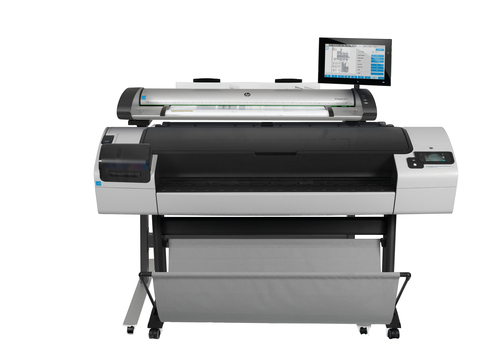
Meanwhile, at home, they serve as reliable companions for anything from school assignments to personal projects, especially if you often find yourself printing text-heavy materials. And let’s not forget document-heavy industries like law or healthcare where precise, high-volume printing is non-negotiable. A personal anecdote that comes to mind—the time an HP DesignJet managed a storm of blueprints at an architecture firm I worked with—underscores how laser printers can punch above their weight when deadlines loom large. They’re less about bells and whistles, more about steadfast service. This makes them a versatile and invaluable tool in any professional setting. I’ve always found that the best printers blend seamlessly into workflows, enhancing, rather than hindering productivity. Should you be navigating various environments that require reliable, high-quality prints, a laser B&W printer might just be the silent but effective partner you need.HP Designjet SD Pro 2 vs. Lexmark MS823dn
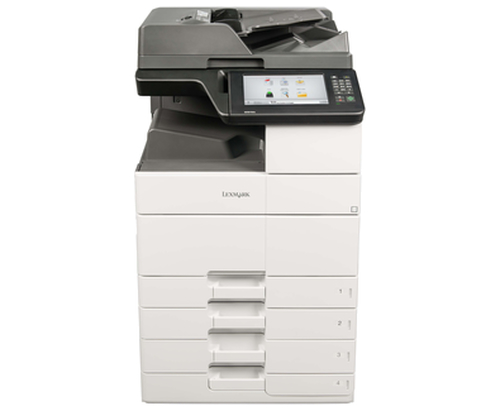
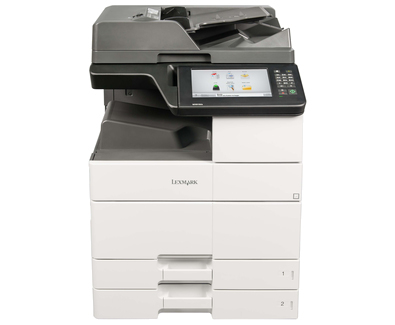
When pitting the HP Designjet SD Pro 2 against the Lexmark MS823dn, each offers unique advantages. The Designjet shines in environments prioritizing security—its dynamic security measures speak volumes for the cautious user. In contrast, the Lexmark MS823dn is celebrated for its user-friendly interface, making it accessible to anyone, even the less tech-savvy.
For industries like architecture or design where document accuracy and security are paramount, the advanced features of the Designjet are particularly alluring. But if straightforward ease of use suits your preference better, then the Lexmark's simplicity and efficiency might be your best bet. Curious readers can delve into more specifics by visiting the Designjet SD Pro 2 and Lexmark MS823dn pages. While both models cater to different needs, your choice should hinge on what fits best with your operational priorities.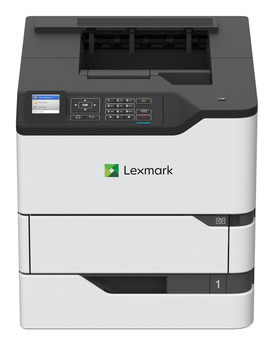
Setting Up Your Laser B&W Printer: A Quick Guide
Starting with the unboxing, be mindful of the instruction manual—it’s your best friend during the setup phase. Carefully connect all associated cables and ensure they’re fitted snugly, avoiding any surprise disconnections. Driver installation is next; these provide that essential bridge between your computer and printer.
A pro tip is to opt for energy-saving modes during setup since they provide long-term cost benefits and are kinder on the planet. If you stumble or need more detailed guidance, the Lexmark's website is an excellent resource for troubleshooting and additional support. While most setups are straightforward, a common oversight is forgetting to perform a test print before diving into more significant tasks. This can save you a lot of headaches later. Efficiency here is paramount—don't rush but also don't complicate the process. Ensuring your printer is connected securely will pay dividends in terms of reliability and functionality. Remember, a well-installed printer is as much about the details as the components themselves.Conclusion
Summarizing our journey, laser B&W printers offer stellar efficiency and undeniable cost savings. They're a boon for varied use cases—from high-output business environments to simplified home setups. Now, as you contemplate your next move, reflect on your specific needs and how a laser printer might fulfill them.
Don't stop here; our comparisons of top models offer deeper insights. You might also want to consider exploring their future potential to see how laser technology continues evolving. In taking these steps, you get closer to choosing the printer that meets your unique demands. Should questions arise or personalized advice be required, reaching out to Mycadprinting can illuminate your path forward. Ultimately, aligning your choice with your operational goals will lead to a successfully integrated tool that enhances your productivity.Frequently Asked Questions
Common questions about Laser - B/W