Are 3D Printers Worth the Hype? Discover Benefits, Features, and Use Cases
The 3D printing revolution is redefining how industries operate and innovate, influencing sectors from healthcare to aerospace. As this technology evolves, it's becoming increasingly accessible and exciting for hobbyists and professionals alike. Understanding its capabilities and potential is crucial, whether you're a tech enthusiast or a business owner looking to innovate. Let's dive into the world of 3D printing and uncover the benefits and features that make it a game-changer.
Diving into the Features of 3D Printers
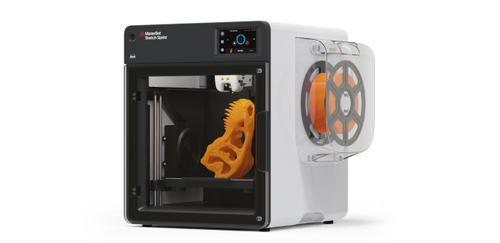
In my experience, one of the first things that grabs attention with 3D printers is their layer resolution. This essentially determines the smoothness of the final output. A higher resolution typically means smoother surfaces and finer details. Printers with Adjustable Layer Heights, like those using Fused Deposition Modeling (FDM), let you choose the balance between speed and detail.
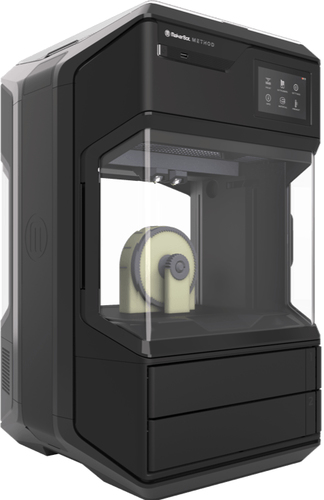
Next up, we have build volume. This is essentially the enclosure where the printing magic happens. Larger build volumes allow for the creation of bigger parts in one go, which can be a huge time-saver. However, determining the right size depends on what you plan to create. Comparing different models can significantly impact your decision. For example, exploring their features might help you decide what suits your needs best. Filament compatibility is crucial too. While FDM printers often use PLA or ABS, SLA printers use a liquid photopolymer resin, each suiting different needs. The versatility in material choice can dramatically influence your project results—allowing experimentation with different textures and strengths. On the other hand, knowing what your project requires can guide you to the perfect 3D printer choice.The Benefits: Beyond Just Printing
The benefits of 3D printing extend well beyond merely creating objects. Rapid prototyping is a standout advantage, enabling designers to quickly iterate and refine their concepts. This ability to pivot and tweak designs swiftly is invaluable, particularly in product development. Imagine quickly going from a digital design concept to a tangible prototype—this is how many startups are rushing ahead of their competition.
Meanwhile, the capacity for custom manufacturing is another game-changer. Small businesses can offer customized solutions tailored precisely to customer needs. This democratizes production, giving everyone from hobbyists to entrepreneurs the tools to innovate at their own pace. Consider the sustainable angle too. 3D printing 'usually' fosters efficient material usage, reducing waste compared to traditional methods. Beyond that, 3D printing often saves on material costs. Using only what's necessary for creation can be both economically sensible and environmentally friendly. As more sustainable filaments—like recyclable polymers—enter the market, this compatibility with green initiatives is likely to expand. All these aspects combined make 3D printing not just an industrial tool, but a catalyst for innovation across various domains. For a deeper understanding, our exploration of the benefits can provide detailed insights.Practical Applications: Bringing Dreams to Reality
3D printing's real-world applications are as varied as they are inspiring. Take healthcare, for example, where they've revolutionized prosthetic development—enabling affordable, custom-fit solutions. Patients who might not have had access to personalized prosthetics now find this technology not only accessible but life-changing.
In the automotive industry, 3D printers help produce lightweight, complex parts with a rapid turnover. This allows manufacturers to experiment with energy-efficient designs. Automotive designers can quickly print prototypes to evaluate aesthetic and functional aspects without committing to full-scale production. Aerospace is another field employing 3D printing to produce complex components that reduce both material waste and overall weight. The intricate designs possible with additive manufacturing methods like Selective Laser Sintering (SLS) have propelled innovations, making aviation safer and more efficient. However, with these advancements come challenges: upfront costs and the necessity of learning how to optimize and troubleshoot printers. Despite these hurdles, the possibilities this technology opens are seemingly endless. To explore more use cases and the transformative potential, delve into our practical applications guide.Exploring Alternatives and the Role of Premium Models
When considering a 3D printer, price is often a significant factor. Many beginners lean towards DIY kits for their lower cost and the hands-on experience they offer. These kits, while often less feature-rich, are an ideal entry point for hobbyists who enjoy tinkering and customization. However, keep in mind that the learning curve can be steep, with many hours devoted to perfecting setup and calibration.
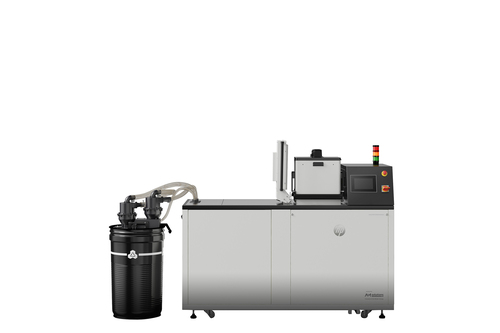
That said, premium models like the HP Jet Fusion series offer unparalleled precision and reliability, attracting businesses where time and efficiency are money. Yet, not every situation demands such a hefty investment. In my experience, basic yet capable models often meet many needs without breaking the bank. Meanwhile, high-end options come with comprehensive support and maintenance packages. Of course, premium options aren't always worth it. For the majority, a balance of affordability and capability is key. Evaluating this spectrum—where your particular needs and budget align—can define your experience. For specific model comparisons and insights, our category page can be a helpful guide.Comparing Monoprice 33883 vs. HP Jet Fusion 5200
Comparing the Monoprice 33883 and the HP Jet Fusion 5200 highlights contrasting strengths. The Monoprice 33883 is notably user-friendly, geared towards hobbyists and small businesses—delivering precise results with materials like PLA+. Its filament accuracy makes it ideal for detailed prints without requiring expert calibration.
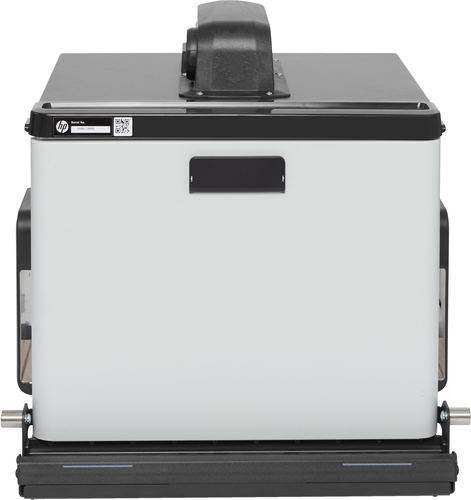
On the flip side, the HP Jet Fusion 5200 is a powerhouse in industrial settings. Its extensive device compatibility and speed offer unmatched production efficiency—perfect for large-scale manufacturing. Think custom automotive parts or aerospace components where strength and durability are non-negotiable. In essence, choosing between these models boils down to assessing your operational scale and output needs.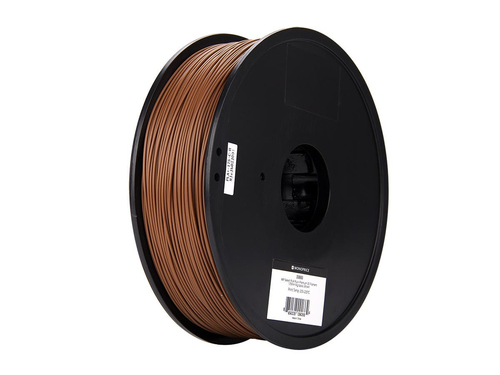
How to Get Started with Your 3D Printing Journey
Embarking on your 3D printing journey can seem daunting, but breaking it down into manageable steps simplifies the process. Begin with the unboxing—carefully lay out all components to ensure you're not missing anything. If you've chosen a DIY kit, assembly is your first technical hurdle, requiring patience and attention to detail.
Once assembled, calibration comes next—critical for ensuring your prints adhere and build accurately. Running initial test prints using basic shapes can help adjust settings. When choosing materials, consider starting with easier filaments like PLA, which are forgiving for beginners. For troubleshooting, remember that issues like warping or poor adhesion are common but solvable with a bit of research and practice. For those serious about longevity, regular maintenance is vital. That's where resources like our printer repair and maintenance guide become invaluable, steering you toward a problem-free experience. This journey is as much about learning and adapting as it is about creating, so embrace each step as part of your growth as a 3D printing expert.Conclusion
Having explored the significant features, advantages, and real-world applications of 3D printers, the choice becomes clearer. These devices can revolutionize how we approach problem-solving, whether by providing unique solutions in prototyping or enabling precise manufacturing processes.
But is it right for you? If your needs align with creating complex designs or frequent prototyping, investing in a 3D printer can be hugely beneficial. On the other hand, if you're concerned about the steep learning curve or costs, taking the time to reassess your options might be wise. Ultimately, weighing the costs and benefits is crucial. But if innovation is your aim, the possibilities are vast. For more insights and a deeper dive into the world of 3D printing, consider checking out our further reading on 3D printer essentials and make an informed decision tailored to your ambitions.Frequently Asked Questions
Common questions about 3D Printers