Why Choose a 3D Printer? Unleashing the Power of Modern Printing Technology
3D printing is reshaping the way industries innovate. From creating intricate designs to bringing ideas to life, its influence is undeniable. With pioneers like HP driving advancements, the landscape continues to evolve rapidly. So, have you ever thought about how a 3D printer could fit into your current needs? It could be the solution you've been seeking. Let's dive into why now might be the perfect time to explore this technology.
Understanding 3D Printer Features: What Makes Them Stand Out
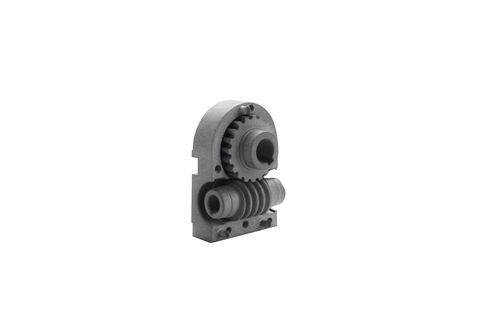
3D printers are packed with features that set them apart from traditional printers. Precision is key—these devices can print with incredible accuracy, down to the micrometer. This precision allows for the creation of complex, detailed models that were once impossible to imagine. Material compatibility is another significant feature. Whether you're working with plastics, resins, or metals, there's likely a 3D printer designed to suit your material needs.
Speed often varies among different models, but technological advancements have made even the fastest printers more affordable. Some models can print objects in mere hours, dramatically reducing production times. Size and capabilities also vary. Large format printers, like the HP DesignJet, allow for bigger projects without compromising detail. User interfaces have grown more intuitive, with touchscreens and software making setup and execution a breeze. Connectivity options have expanded as well, with many printers now offering Wi-Fi and app integration for remote operation. HP, known for its innovative designs, frequently sets the benchmarks here, consistently delivering printers that are user-friendly and robust in capabilities. For more insights on these advanced features, our previous exploration on core 3D printer capabilities here might be helpful.The Benefits of 3D Printing: More Than Just Prototyping
When we think of 3D printing, prototyping often springs to mind. But this technology offers so much more, often transforming industries like healthcare and automotive by providing cost-efficient solutions. Imagine being able to customize parts to fit specific needs. The ability to tailor products without incurring high costs is a game-changer. Hospitals, for instance, can produce bespoke prosthetics quickly instead of relying on distant facilities.
In my experience, companies leveraging 3D printing usually gain a competitive edge. HP, with its cutting-edge offerings, is instrumental in this shift. Take the automotive industry—manufacturers can now create lightweight, durable components, thus enhancing vehicle efficiency and performance. Real-world success stories abound. For example, a startup managed to scale its business significantly by switching to 3D printing for its custom gear designs, reducing both time and cost. While some of these outcomes might take time to achieve, the potential benefits present a strong case for adoption. Personalization at a fraction of traditional costs is hard to overlook. If you're curious to explore these transformative benefits further, check out our detailed exploration here.Practical Applications: Turning Concepts into Reality
In various industries, 3D printers bridge the gap between creativity and functionality. Take architecture, where intricate models can now be produced with precision, enabling clients to visualize projects before construction begins. Fashion designers too are pushing boundaries by experimenting with intricate fabrics and avant-garde accessories, all made possible by 3D printing.
The ability to handle complex designs and a wide range of materials means more creative freedom. I recall a designer who crafted an entire collection using 3D-printed elements, wowing the industry with their innovation. Meanwhile, CAD services are pivotal. By integrating with Mycadprinting, professionals can refine blueprints and tackle large-scale productions with increased efficiency, ensuring projects proceed smoothly. There's so much potential here that exploring these applications seems like an obvious choice for many industries. And as technology continues to evolve, who knows what's next on the horizon? If you're keen to see how these usages can come to life, our guide here on practical implementations might just be the guide you need.Choosing the Right 3D Printer: Considerations for Buyers
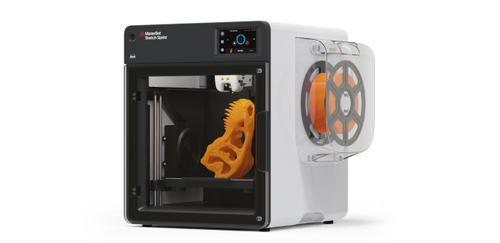
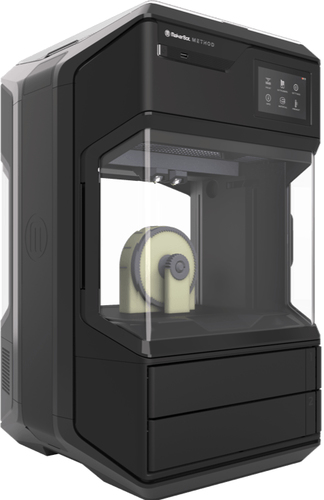
Choosing the right 3D printer can initially seem overwhelming. There are different types—FDM, SLA, SLS, each with unique strengths. Balancing cost with performance is crucial. Typically, FDM printers are budget-friendly and great for beginners, while SLA and SLS offer superior detail for a higher price. Assessing what you need is often step one.
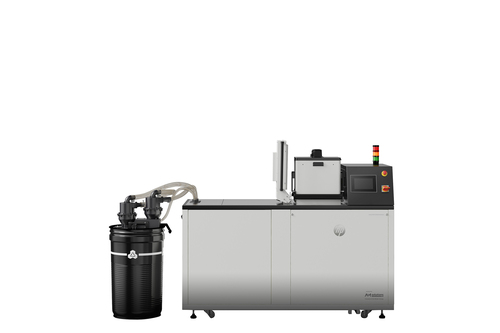
Maintenance is another key consideration, both time and cost-wise. Opting for high-reusability models like the HP Jet Fusion Series can enhance efficiency and longevity. This is especially true if you need durable outputs regularly. In my experience, investing in a quality unit can save headaches down the line. Budget constraints are real, and sometimes opting for a mid-range model that's easy to maintain is better than a high-end one that you won't fully utilize. Space considerations also come into play. Larger printers require more room, so ensure you have a suitable spot. Whether for professional use or a hobby, selecting a printer that matches your specific requirements is paramount. A wealth of resources is available if you're still unsure. Our guide here offers comprehensive insights to assist in your decision-making.HP 3D Printers: Comparing Top Models
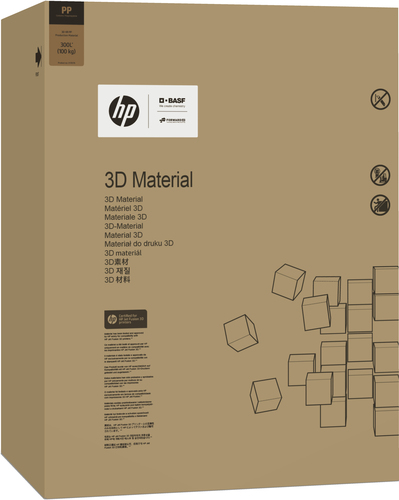
When comparing the advanced features of the HP 3D High Reusability PP with the standard offerings found in the HP Jet Fusion 5200/4200 series, several distinctions emerge. The former excels in chemical resistance, making it ideal for environments where durability is non-negotiable. Meanwhile, the Jet Fusion models are renowned for their speed and efficiency in large production runs.
Each has its use case—the High Reusability model often shines in scenarios demanding repeat and consistent output. At the same time, the Jet Fusion series is versatile for smaller scale yet diverse projects. Ultimately, your choice should reflect specific needs, whether prioritizing adaptability or specialized output. To dive further into each model's specifications, visit this product page for a closer look at these innovative features.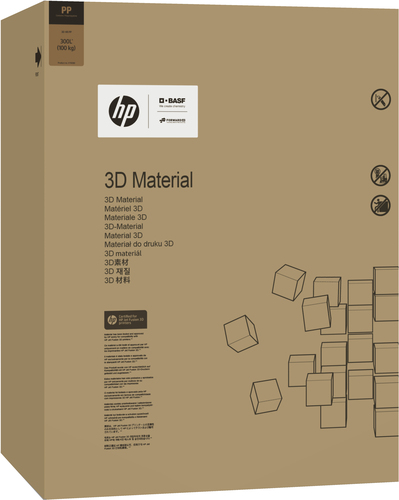
Getting Started: Setting Up Your 3D Printer
Starting with a new 3D printer? Exciting times ahead! Unbox your new gadget, settling it gently into a dedicated space. Ensure it's connected securely to power and initiate the setup sequence. Calibration is crucial—often overlooked, it lays the foundation for quality prints. Adjust settings to recommended levels.
Next, don’t forget to load your filament correctly. A common pitfall is rushing this step, leading to jams. Best practices include regular cleaning and timely firmware updates for optimal performance. In my experience, patience is often your best ally here. Some troubleshooting tips: lines not sticking? Double-check bed leveling and temperature settings. Missing layers? It might be an extruder problem or the need for a slicer adjustment. Stuck in a rut? Remember—each printer has a unique personality and understanding yours will yield dividends. Before long, you'll be printing your way to success.Conclusion
Summarizing the myriad benefits and applications, it's clear 3D printing offers substantial value. From fostering innovation to thrifty manufacturing, the scope is immense. HP leads the charge, providing versatile and powerful tools. So, is a 3D printer the missing piece for you? Whether you're enthused by prototyping or aligning with specific industry needs, this technology is worth exploring.
Why not delve deeper and see how compatible it could be with your current workflow? Our resources are at your disposal, providing comprehensive knowledge to assist your journey. Still have lingering queries or need personalized advice? Expert guidance is reachable, ensuring you're well-supported throughout your decision-making process. So, why wait? Embark on your 3D printing journey today.Frequently Asked Questions
Common questions about 3D Printers