Why 3D Printers Are Revolutionizing Our World: What You Need to Know
3D printing is making waves across multiple industries, from manufacturing to healthcare, and its potential to revolutionize how things are made is tremendous. Understanding this technology could benefit everyone from hobbyists creating custom miniatures to businesses looking to revolutionize production. By transforming digital designs into physical objects, 3D printers help turn creative ideas into reality—often at reduced costs and increased speed compared to traditional methods.
The Ins and Outs of 3D Printing Technology
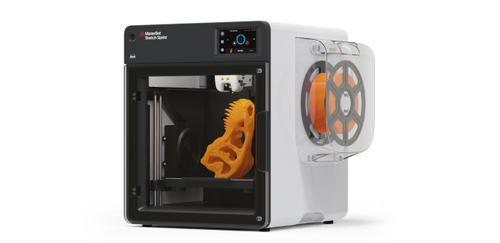
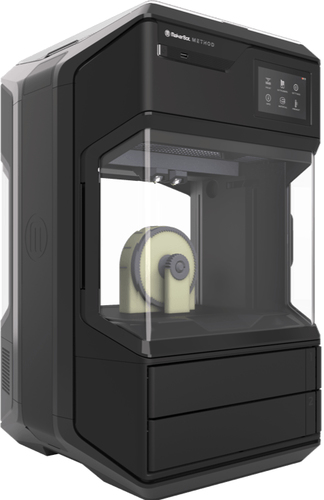
So, how does a 3D printer actually work? Think of it as a super precise robot, slowly but surely stacking layer upon layer of material to create a masterpiece. At the heart of this process are components like nozzles, extruders, and filaments. You might hear the term 'FDM'—that's Fused Deposition Modeling, a popular method that uses a continuous filament of thermoplastic material. Meanwhile, 'SLS', or Selective Laser Sintering, uses a laser to sinter powdered material. Each method has its unique strengths, so choosing one depends mainly on what you're hoping to make.
It’s essential to consider your specific needs before diving into the 3D printing pool. Are you aiming for intricate details? SLS might be your game. On the other hand, FDM is often praised for its versatility and lower cost. While it may seem daunting at first, selecting the right printer model—based on nozzle size, build volume, and supported materials—can significantly impact the quality and feasibility of your projects. Remember, it’s not just about the machine; it's about finding the right match for your needs.Practical Benefits That You Cannot Overlook
3D printing offers undeniable advantages that many of us, frankly, can't afford to ignore. Primarily, there's the cost efficiency. Instead of shelling out for massive production runs, you can create exactly what you need when you need it—saving resources and reducing waste. This makes rapid prototyping possible, an absolute game changer in sectors like architecture and fashion. Gone are the days of waiting weeks to see a prototype; now it's a matter of hours.
Let’s talk about customization—it's a dream for creative minds. In industries like fashion, bespoke designs are now within easy reach, enabling designers to push boundaries in innovative ways. When I first used a 3D printer, I was stunned at how it empowered my ideas, allowing me to bring unique, complex patterns to life. Many might say it's the future, but I’d argue it's already reshaping the present. Innovators are continually finding new applications, which is where true industry insights lie. Whether it's streamlining production in mechanical sectors or enhancing creative outlets, the practical benefits of 3D printing can’t be overstated. If you’ve ever thought about what more this tech could do, now's a great time to explore its potential.Real-World Applications: From Prototypes to Products
3D printing isn't just a buzzword; it’s transforming industries in meaningful ways. Take aerospace, for example. By utilizing 3D printing, companies can produce complex parts while minimizing weight—a crucial factor in flight. Not to mention, the healthcare sector is experiencing a true revolution. Prosthetics tailored specifically to individuals? Hold onto your hats! And let's not forget the incredible frontier of organ printing. Engineers and doctors are working together to make what's often science fiction into a stark reality.
However, it’s the automotive industry that’s been quietly leveraging this technology behind the scenes, for rapid prototyping and even creating parts for end-use. From improving logistics to allowing more efficient testing phases, the impact is profound. It's in the everyday challenges where 3D printing makes a splash; filling niches big companies never considered addressing. Remember, while these applications sound high-tech, the technology is not limited to industrial players. Many hobbyists are using 3D printing for innovative DIY solutions, custom gadgets, and more. That said, keeping in mind the vast opportunities, understanding 3D printing's applications is surely worthwhile for anyone curious about elevating production or merely personal projects.Overcoming Challenges and Making Smart Choices
Like any technology, 3D printing comes with its own set of challenges. For folks just starting, printer maintenance can feel like navigating a new world. Filament compatibility issues and occasional print quality mishaps are things most users will encounter. However, these challenges aren't insurmountable. A critical tip from my experience: keep the nozzles clean. Trust me—this simple step can save lots of headaches down the line.
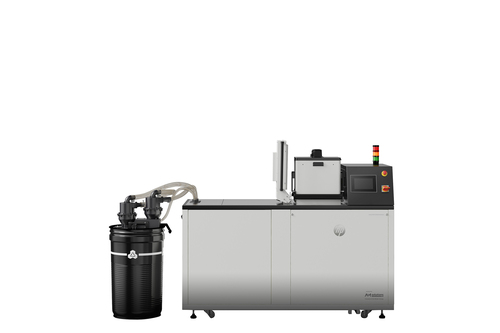
When buying a printer, users often wonder about size and budget. It’s about finding the sweet spot where your needs, desires, and wallet intersect. Is a larger printer necessary? Maybe not, depending on what you're making. A printer like the HP DesignJet could be a good fit if you're looking for industrial-grade power without breaking the bank. It's also important to factor in key capabilities, especially if you're planning professional or industrial usage. But for those planning smaller projects, there’s no harm in exploring what smaller models offer. The goal is to make informed decisions so your 3D printing journey is as smooth as possible. Whether you’re a beginner or a veteran, there's always something new to learn with 3D printing.Spotlight on Essential 3D Printing Tools
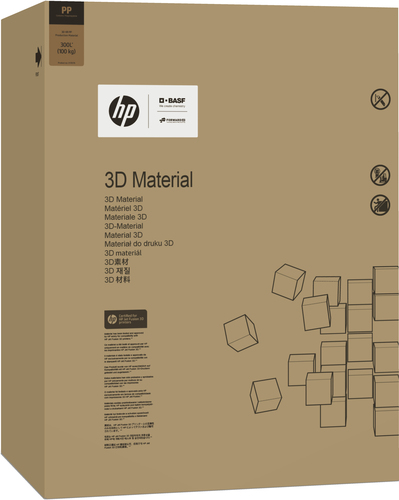
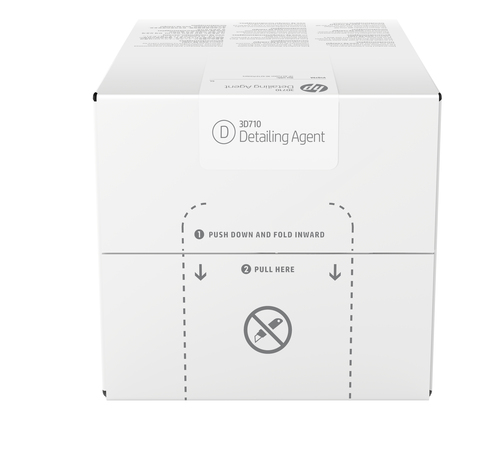
When considering essential tools for 3D printing, the Monoprice 12504 printer/scanner spare part cleaning agent and the HP 3D710 5L Detailing Agent stand out. The Monoprice options excel in nozzle cleaning efficiency, making it ideal for routine maintenance that keeps your printer in top shape. On the other hand, the compatibility of the HP Detailing Agent ensures optimal performance for a wide range of printer models, providing versatility.
Depending on your needs, each product offers unique benefits. If your primary concern is maintaining cleanliness, turn to the Monoprice Cleaning Filament. However, for consistent, reliable results across different scenarios, the HP Detailing Agent might be your go-to. These essential tools cater to varied experiences, helping enhance your 3D printing endeavors.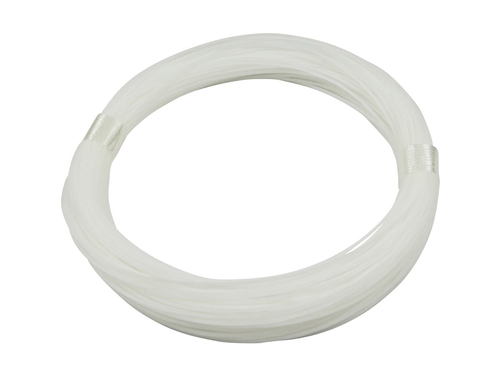
Getting Started: How to Set Up Your 3D Printer
Starting with a new 3D printer can be exciting but a bit daunting. First, unbox your printer and ensure all components are present. Assembly varies by model, but following the manual doesn't typically steer you wrong. Software installation usually follows, and numerous user-friendly programs are readily available, often simplifying the process. Calibration comes next—absolutely crucial for ensuring precise prints.
Some practical tips from personal lessons? Avoid filament loading errors by checking the filament path twice—trust me, that one’s a doozy! Also, don’t rush your first print. Familiarize yourself with beginner setups and tips for a smoother introduction. Over time, these steps become second nature, setting a solid foundation for successful 3D print endeavors.Conclusion
In essence, the world of 3D printing is a treasure chest of possibilities waiting to be explored. As we’ve seen, its transformative power extends far beyond hobbyist circles or industrial workspaces; there’s truly something for everyone. From bringing exceptional prototypes to life to creating personalized goods, 3D printing offers unparalleled potential.
I encourage you to consider how this technology fits into your realm—whether in personal crafts or professional projects. Reflect on the journey from understanding to application, and the empowering path 3D printing can create. As you ponder these prospects, don't hesitate to dive deeper into the world of 3D printing and explore the extensive category selections available, aligning innovation with your own unique initiatives.Frequently Asked Questions
Common questions about 3D Printers