Which 3D Printer is Right for You? Discover Their Features and Benefits
Imagine holding a newly 'printed' product right in your hands moments after conceptualizing it. The exciting tech journey of 3D printing can make that happen! With the right 3D printer, the possibilities are practically limitless. This guide aims to help you navigate through various features, benefits, and practical applications to make an informed choice. Even seasoned professionals can discover new potentials in this ever-evolving technology.
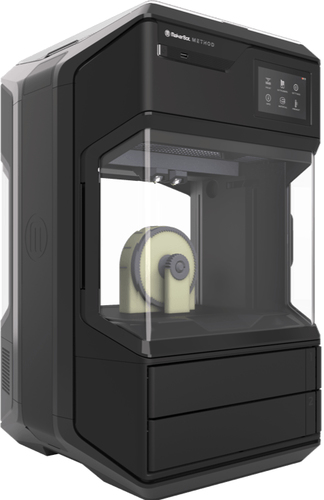
Diving Into 3D Printer Features
When exploring 3D printer features, it's crucial to consider print size, resolution, and material compatibility. Think of print size like the canvas for an artist—you're limited by its dimensions, so knowing the extent of your 'canvas' is vital for your projects. Similarly, resolution impacts the detail—a crucial factor if you're aiming for intricate designs. A higher resolution typically results in finer details, akin to comparing a high-definition photo to a regular one. Now, if you're venturing into the world of variable materials, it's like having an extensive color palette at your disposal. Each material offers distinct benefits; filament-based printers use PLA or ABS, whereas resin types might create objects with intricate contours.
Technical jargon such as 'CAD printing services' or 'wide format printing' might sound complex but think of them as supercharged design and printing services that expand your creative abilities. Moreover, services like Mycadprinting can provide specialized support, easing your journey into this tech realm. In my experience, comparing these features is kind of like choosing a car. Do you prioritize speed, luxury, or fuel efficiency? In the realm of 3D printers, it's about balancing detail, size, and versatility to fit your needs. By the way, you can explore this further at our 3D printer features section.Understanding the Benefits of 3D Printing
One of the biggest draws to 3D printing is its customizability. Picture being able to whip up one-of-a-kind gifts or personalized parts on demand. It's not just for hobbyists—industries like design and manufacturing have harnessed this to transform product development.
But here's a captivating part: it's often more cost-effective over the long haul. Once production setups are established, materials tend to be cheaper, and there's less waste compared to traditional methods. From rapidly prototyping a new product to testing iterations swiftly, the time saved can be quite the competitive edge! In industries, 3D printing has revolutionized workflows, allowing designers to shift from concept to tangible reality without stepping out of the studio. Anecdotes abound of companies slashing lead times by half and integrating innovations seamlessly. As HP's offering show, innovations in this space just don't stop! Their ergonomic design approach could be a game-changer for reducing structural flaws and saving costs. Meanwhile, if you're intrigued by the wider implications of this tech marvel, you might find this blog link enlightening.Practical Applications and Use Cases
Imagine healthcare advancements with tailored prosthetics or creating stunning art installations—3D printing is remarkably versatile. There’s this tale of a designer who regularly uses 3D printing for prototype models, essentially cutting their design process time in half. Such efficiency gains translate directly to market competitiveness!
Similarly, heavyweights in architecture often turn to blueprint printing—saving not just time but also achieving unheard precision levels. Flying under the radar, industries such as automotive and aerospace routinely leverage 'print supplies' for on-demand manufacturing of parts, simplifying supply chains. Not to mention leveraging 'large format printers' for larger-than-life installations that wow at events and exhibitions. From my perspective, witnessing these transformative impacts firsthand never gets old. It's a thrill to see what architects achieve with their daring creations—or how an artist breathes life into abstract concepts. So, here’s a sneaky peek into this world: explore the applications of 3D technology for insightful glimpses into its potential!How to Choose the Right 3D Printer for Your Needs
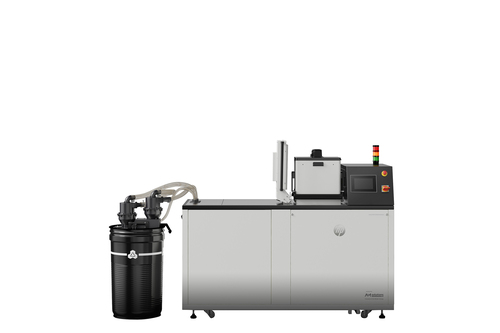
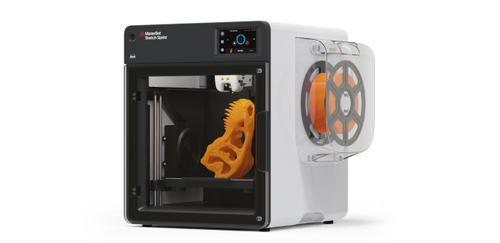
Selecting the perfect 3D printer usually boils down to a few key factors: budget, intended use, and your tech knowledge. For instance, if you're just starting, budget-friendly models might be your best bet. These typically offer excellent trade-offs between price and functionality. On the other hand, heavy-duty solutions like the HP Jet Fusion might seem tempting—but their premium price isn’t always justifiable unless you're dealing with complex, large-scale projects.
It's a common conundrum: do you invest in gold straight away, or begin with brass and upgrade later? In my experience, allowing room for growth, paired with some initial hands-on trials (check for local hands-on demo opportunities), usually leads to smarter choices. You can usually find nifty resources for all these through product comparisons or by tapping into user community forums. We often overlook the treasure troves of collective wisdom they offer. And while opinions vary, considering these varied perspectives may reveal sometimes surprising insights into whether a particular model fits your long-term needs.Comparing Popular 3D Printing Products
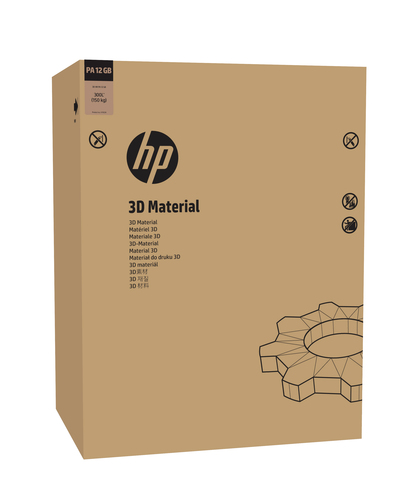
When comparing the HP Jet Fusion 4200 Series 3D Processing Station E-cabinet Fan Filter with the HP 3D High Reusability PA 12 Glass Beads, each highlights unique strengths. The fan filter ensures air quality is maintained, crucial during long print runs to keep your workspace clean and healthy. It's like a lungs cleaning system for your printer.
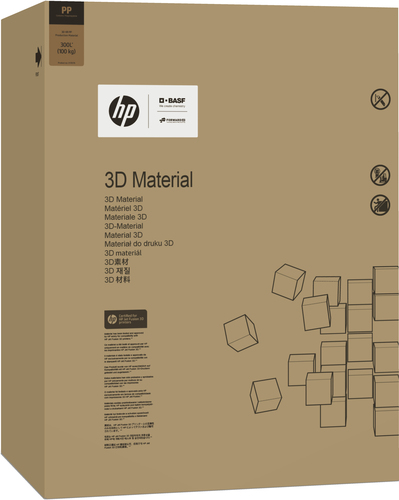
Meanwhile, PA 12 Glass Beads present another dimension—think of its hardiness and suitability for structural, functional parts much like a steel backbone to your creations. The strength it offers can be a game-changer in crafting robust, long-lasting parts. There's something remarkably satisfying when your creations stand up to real-world use! For further insights, dive into the specifics or examine the materials in detail; there's much to explore in terms of their potential applications.
Getting Started with Your First 3D Print
Ready to start your 3D printing journey? Let's walk through setting up your first 3D printer. Begin by prepping your digital 3D model, often using CAD files. Selection is key—opt for materials aligning with project intent. Next, calibrate your setup, ensuring precision. Initial prints usually serve as calibration tests, ironing out potential kinks before larger tasks.
And here's a Pro Tip: avoid common pitfalls like incorrect filament choices—it's a rookie mistake! Remember, experimentation can be your guide. Keen to delve deeper? You might want to explore setting up your printer with confidence using this guide. Ultimately, experience and minor tweaks can yield prints that reflect your artistic flair.Conclusion
As you reflect on the leaps and bounds made in 3D printing, it's hard not to be enthralled by the journey so far. This technology has changed industries, empowered creators, and inspired innovation. Whether you're innovating in business or crafting personal projects, there's much to gain from diving into this world.
Personally, I'm intrigued by the upcoming advancements poised to reshape technology landscapes further. Hands-on demos may offer practical insights, plus they bring an exhilarating experience to the fore. Meanwhile, sharing your experiences—whether in comments or during meetups—can create valuable community dialogue. Let's embrace this tech by visiting our 3D printers page, and embark on creation adventures yielding tangible innovations.Frequently Asked Questions
Common questions about 3D Printers