Should You Invest in a 3D Printer? Understanding Benefits, Features, and Usage
3D printing is more than just a fad; it's a fascinating journey of transforming ideas into tangible realities, layer by layer. From healthcare to aerospace, this innovative technology is leaving its mark across diverse industries. As we dive into the exciting world of 3D printing, we'll explore its features, benefits, and practical uses while comparing products to help you decide if this investment is right for you. The excitement around modern 3D printers is truly palpable!
Key Features of Modern 3D Printers
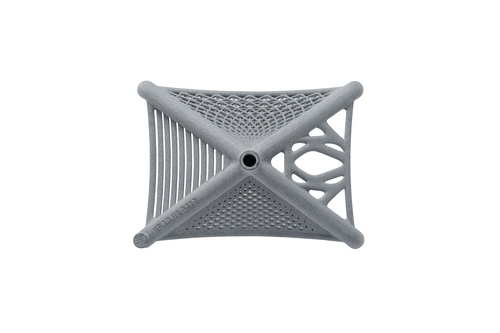
Modern 3D printers are a technological marvel compared to their early counterparts. Today’s models feature impressive build volumes, allowing for larger creations that were once limited to industrial-scale machines. Resolution has greatly improved, offering finer details that empower creators to innovate with precision. Material compatibility is another essential feature, as modern printers can often utilize a variety of materials beyond basic plastics, opening up endless possibilities.
This evolution is remarkable when you think back to the chunky prototypes of the past. Remember when HP's DesignJet introduced 'wide format printing'? Well, now even small businesses can explore the world of CAD-driven designs with ease. This compatibility with diverse materials is particularly exciting for those delving into CAD printing services because it allows for more creative freedom without being constrained by material limitations. If you're considering a 3D printer for personal or professional projects, opting for a model with a larger build volume could be wise, especially if you foresee working on more sizable undertakings. For more insights on choosing the right 3D printer, check out our detailed guide on Understanding Key 3D Printer Features.Unlocking the Benefits
3D printers unlock a world of benefits, especially in terms of cost efficiency for prototyping and manufacturing. Traditionally, creating prototypes required extensive labor and materials, often leading to significant waste. However, 3D printing allows for rapid iteration, saving both money and material. Customizability is another compelling advantage, enabling businesses and hobbyists alike to bring unique designs to life without the hefty price tag.
Real-world scenarios are abundant—take the automotive industry, where adapting designs for better efficiency has been transformative. By consulting with renowned partners like Mycadprinting, companies can refine their processes while saving significantly. The potential cost savings, when compared to traditional manufacturing methods, are substantial—not only financially but also in time and labor intensity. On the flip side, customizability should be embraced with caution. It’s easy to get carried away, but focusing on what truly adds value is key. In a world where personalization is king, 3D printing provides a level of customization that could previously only be dreamt of. Learn more about how these benefits elevate various industries in our article on Why 3D Printers Are Game-Changers.Exploring Practical Applications
The versatility of 3D printing is truly awe-inspiring. From crafting intricate medical models that aid surgeons in planning complex procedures to creating custom parts for DIY projects, the applications are as varied as they are impactful. The medical field, for instance, benefits immensely from the ability to produce patient-specific models that enhance understanding and precision in surgeries.
Meanwhile, in fast-paced sectors like aerospace, 3D printing accelerates innovation by enabling rapid prototyping and testing. In my experience with blueprint printing projects, the ability to swiftly iterate designs has been invaluable. Schools are also jumping on board, introducing 3D printing into their curriculum to inspire the next generation of engineers and designers. This hands-on approach to learning is both engaging and educational, fostering creativity and problem-solving skills. However, a common mistake many make is overlooking material costs. These can quickly add up, especially when experimenting with different types. Balancing ambition with budget is crucial. To dive deeper into educational applications and more, explore our other resource on Practical Applications of 3D Printing and visit our category page for a comprehensive overview.Comparing Key Products
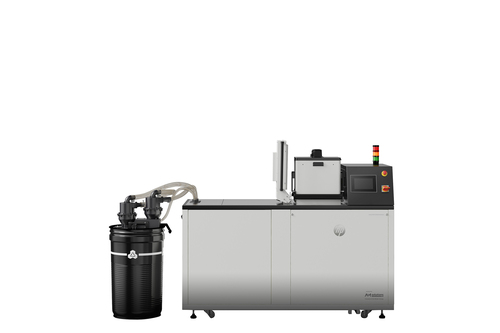
When considering 3D printers, two standout options are the HP Jet Fusion 5200/4200 Series and the HP Jet Fusion 500/300 Series. Both offer unique benefits tailored to different needs. The 5200/4200 Series is known for its advanced capabilities, suitable for industrial-grade projects, offering faster printing speeds and greater flexibility in material usage. In contrast, the 500/300 Series caters to smaller scale needs, ideal for those starting out or focusing on limited production runs.
The 5200/4200 Series supports a broader range of compatible materials and offers enhanced performance for complex projects, making it a go-to for professionals requiring precision and efficiency. Meanwhile, the 500/300 Series offers a more budget-friendly alternative without sacrificing essential features, perfect for educational purposes or hobbyists who demand quality. Comparing costs, the 5200/4200 tends to be pricier, but its efficiency and feature set justifies the investment for many businesses. On the other hand, the 500/300 Series is a more economical choice that still delivers excellent results. As always, the complexity of your projects should guide your decision. Dive into our Product Comparison for more detailed insights.Spotlight on Two Top Contenders
In the realm of 3D printing accessories, the HP Jet Fusion 5200/4200 Hand Air Blower and the HP Jet Fusion 500/300 Air Exhaust Filter emerge as top contenders. These components offer distinct advantages depending on your 3D printing needs. For those engaged in advanced projects, the 5200/4200 Blower is indispensable due to its compatibility with high-performance printers and its ability to maintain optimal working conditions.
In contrast, the 500/300 Air Exhaust Filter is perfect for smaller scale operations, providing efficient air quality control that supports the needs of beginners or educational environments. While the 5200/4200 Blower supports complex setups, it comes at a premium, which usually pays off in projects demanding high precision. Meanwhile, the 500/300 Filter offers a cost-effective solution without unnecessary features. When making your choice, consider whether the potential upgrade aligns with your project's demands and if the associated costs are justifiable. For more on this, consult our in-depth HP Jet Fusion Series exploration.
Getting Started with 3D Printing
Embarking on your 3D printing journey can seem daunting, but with a few steps, you'll be set up in no time. Start by carefully choosing a model that suits your specific needs, whether it's a high-end machine like the HP Jet Fusion Series or a simpler variant. Once selected, setup involves installing firmware, calibrating settings, and choosing compatible materials for your projects.
Performing a test print is an excellent way to ensure everything runs smoothly before tackling larger projects. Maintaining a wide format printer is crucial—regular cleaning and adhering to the manufacturer's maintenance schedule, like those in the HP guide, will prolong device life and ensure peak performance. It's important to remember that 3D printing involves continuous learning, but the rewards—custom models, cost savings, and innovation—are well worth the effort. With each project, you'll learn new techniques and tips, gaining confidence in your capabilities. For those eager to delve deeper, our How to Set Up Your 3D Printer guide offers additional insights to help you along the way.Conclusion
Ultimately, deciding whether to invest in a 3D printer depends on your unique needs and future aspirations. If innovation, customizability, and cost efficiency resonate with you, then this technology could be a worthwhile addition to your toolkit. The advantages of 3D printing, from minimizing waste to accelerating design processes, are substantial. However, it's essential to balance immediate needs with long-term goals—perhaps starting with a more modest setup and gradually expanding.
If you’re still uncertain, perhaps evaluating where you might benefit most from 3D printing could provide clarity. Are you looking to streamline production, explore educational applications, or venture into custom manufacturing? Each path offers its own rewards, and understanding them is key. For those ready to explore further, consider browsing our right 3D printer choice guide and see how it aligns with your ambitions. Engage with our category page for more tailored advice and to harness the full potential of this remarkable technology.Frequently Asked Questions
Common questions about 3D Printers