Is a 3D Printer the Right Tool for You? Dive into Features, Benefits, and Use Cases
I remember when my friend, an engineer, started tinkering with a 3D printer. The endless possibilities were mesmerizing—creating custom designs right at home! From revolutionizing industries like prototyping to sparking a new wave in hobby crafting, 3D printers have undoubtedly changed the game. Now, you're probably wondering, 'Is a 3D printer the right tool for me?' Let's delve into the features, benefits, and potential use cases to find out.
Exploring the Features that Make 3D Printers Unique
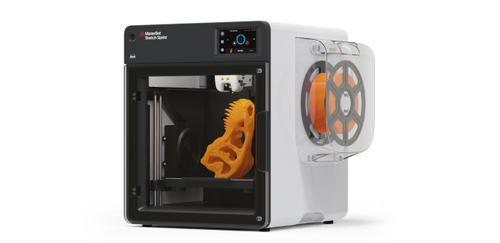
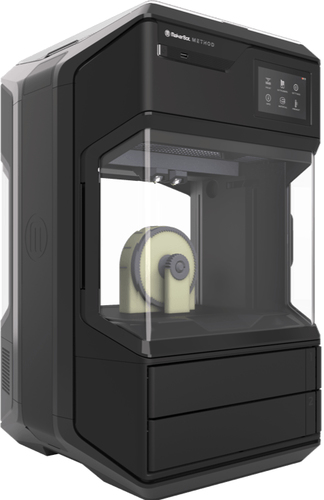
When it comes to 3D printers, features like build volume, resolution, and material compatibility really set them apart. Build volume refers to the maximum size of an object you can create, and it's crucial if you're planning on printing larger projects. Most hobbyists enjoy starting small, but as skills advance, that might change! Now, resolution—think of it as the fine detail your printer can achieve; higher resolution is typically better for complex projects. Material compatibility also plays a huge role. Many basic models work with plastics like PLA, but more advanced ones offer options like metals or specialty composites.
Comparing these elements to traditional printers, you're diving into a realm of intricate designs and engineering marvels. Features like Wi-Fi connectivity can make operations seamless, letting you control the print process remotely—I mean, how cool is that? For beginners, it's all about the ease of use, while seasoned users might geek out over customization options. In my experience, entry-level models provide a great starting point, but if you plan to expand your skills, consider a model supporting a wider range of materials and features. You can explore a range of options in our 3D printer category to find something that matches your ambition.The Value Proposition: Why 3D Printers are Worth the Investment
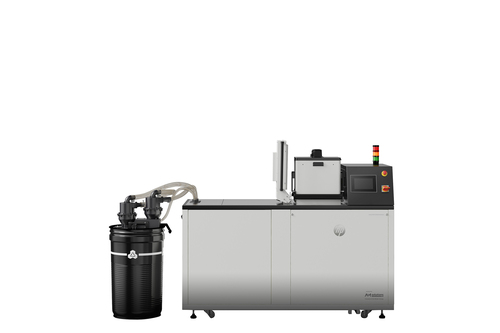
So, why invest in a 3D printer? The HP Jet Fusion series, for example, offers exceptional efficiency with speed and customization that traditional methods can't match. In industries like engineering and healthcare, the ability to produce tailored solutions is invaluable. You often see applications where rapid prototyping significantly reduces time-to-market, which can save tons of resources.
Education also benefits greatly—students engaged in 3D printing often develop problem-solving skills, leading to innovative thinking. That said, there are cases where traditional methods might still be the go-to. Complex assemblies or mass production runs, for instance, might still fall under traditional manufacturing spheres. While 3D printing shines in producing prototypes or bespoke items, it won't always beat the economies of scale achieved by conventional means. It’s a nuanced view, isn't it? On the one hand, there's the upfront investment to consider, but on the other, the long-term savings from creating custom designs can often outweigh these initial costs. In the end, it’s about finding the balance—using 3D printing for what it excels at while acknowledging where other methods might still hold a candle.Practical Applications and Real-Life Success Stories
3D printing's practical applications are as diverse as they are exciting. Take, for example, the engineer who crafted custom ergonomic tools, simplifying his workflow immensely—stories like this show the immense potential. Artists, too, are embracing this technology to produce pieces previously unimaginable, pushing the boundaries of creativity. Imagine a teacher using 3D printing to make learning more interactive. I've seen classrooms become creative hubs where students learn by building models of historical landmarks or understanding the physics of flight with self-designed gliders.
In the realm of architecture, 3D printers can bring CAD designs to life, making scale models that are crucial in early-stage planning. These success stories aren't just about the end product; they're about the journey and the skills acquired along the way. For younger audiences, it’s not just fun; it's skill-building in disguise, offering a hands-on way of learning the integrals of design and engineering. Whether it's in education, art, or industrial design, 3D printing is opening up avenues that were previously closed off or challenging to access. Dive into more possibilities with our CAD services to see how these tools can transform ideas into reality.Navigating the Market: Are Premium Printers Worth It?
Now, let's talk about premium models. Take the HP 3D450—it's a sophisticated machine with advanced material capabilities, but is it worth the price tag? Often, the decision to go premium hinges on whether these features align with your specific needs. Advanced materials can mean better results for particular industries like aerospace or automotive, but it might be overkill if you're just printing simple prototypes for fun!
On the flip side, budget-conscious users might gravitate towards entry-level models, and rightly so. Communities like Mycadprinting have individuals sharing valuable insights about how different models meet various needs—for some, high-end isn't necessary. Personally, I've found value in balancing cost and capability, opting for a middle-ground model that grows with my increasing demands. Ultimately, it's about deciding what features you absolutely need and what you can live without. In my experience, while premium options offer amazing capabilities, they're not indispensable for everyone. You've got options across the spectrum, each catering to different creative and practical needs.Comparing the HP 3D450 and HP 3D High Reusability PA 12
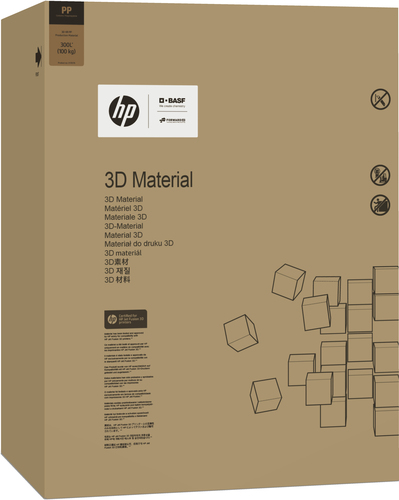
When comparing the HP 3D450 with the HP 3D High Reusability PA 12, you'll notice distinct benefits. The 3D450's color capabilities make it ideal for versatile prototyping, allowing for vibrant presentations that can impress stakeholders in professional settings. On the other hand, the PA 12 stands out for its robustness and cost-effectiveness in creating durable parts. For industries like medical or automotive, where strength and reliability are paramount, the PA 12 could typically be the better choice. Meanwhile, the 3D450 might find its niche in educational or creative settings, where showcasing design aesthetics holds more weight. Each model has its strengths, and the choice often boils down to what you're planning to achieve with your projects.
Getting Started: Easy Steps to Your First 3D Print
Unboxing your 3D printer can be quite the adventure. Start by setting it up and connecting it to Wi-Fi for easy updates and controls. Selecting the right materials comes next—PLA is great for beginners due to its simplicity and reliability. To get your feet wet, you might want to try downloading an open-source design of a small model like a keychain—perfect for practice!
Troubleshooting is a must-have skill. Common issues like alignment problems or nozzle clogging can pop up, but they're handleable with the right know-how. Keeping your machine in good shape is crucial, so be sure to follow maintenance tips regularly. Remember, experimenting is key here! While it’s easy to get caught up in perfection, don't be afraid to mess up—it’s all part of the learning curve. Enjoy the process as you slowly become a 3D printing pro!Conclusion
In wrapping up, we've delved into the myriad features and benefits 3D printers offer. Whether you’re innovating at work or engaging in a passion project at home, these devices can transform your creative capabilities. From intricate designs to cost-effective prototyping, a 3D printer brings a lot to the table. That being said, not everyone needs one—assess your specific requirements, personal or professional, to determine if this technology meets your demands.
As appealing as the endless possibilities might be, balancing your needs with what a 3D printer offers is key. If you find that the pros align with your goals, perhaps browsing through our 3D printer selection will lead you to the perfect match. Happy printing!Frequently Asked Questions
Common questions about 3D Printers