Why 3D Printers Are Revolutionizing the Printing Industry
3D printing is transforming industries with its innovation and practicality. Once seen as purely futuristic, this technology is now making waves in various sectors, reshaping how things are made. Curious about its potential impact on your world? By bringing futuristic designs into reality, it raises a tantalizing question: how might 3D printing revolutionize your business or hobby? Let's dive in and explore the fascinating world of 3D printing.
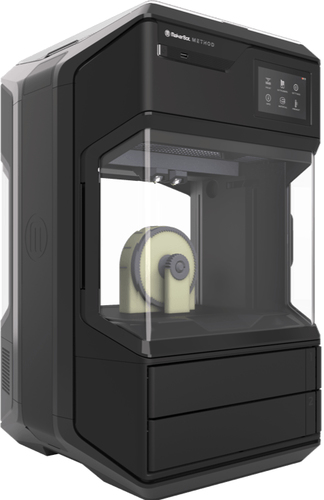
Understanding 3D Printer Components
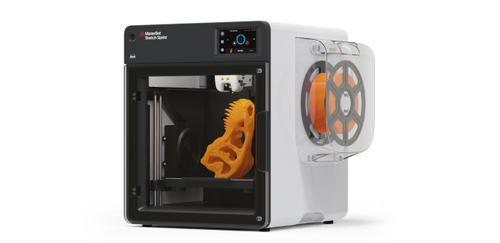
3D printers, much like a magical box, consist of essential components like extruders, print beds, and control systems that work in harmony to bring designs to life. The extruder, equipped with a nozzle, is the printer's heart—melting and pushing filament through the nozzle to form your object layer by layer. Meanwhile, the print bed provides a flat surface where the object takes shape, crucial for ensuring precision. These components are orchestrated by sophisticated control systems that interpret the digital designs and dictate the printer's movements. Typically, printers come in two popular technologies: FDM (Fused Deposition Modeling) and SLA (Stereolithography).
In my experience, FDM printers are often the workhorses of the industry, utilizing thermoplastic filaments like PLA and ABS. They offer a great balance of speed and cost-effectiveness, making them popular for both hobbyists and professionals. SLA printers, on the other hand, use liquid resin and UV light. They're renowned for their precision and detail, suitable when your project demands the highest quality finish. These technologies, combined with components, create the vast landscape of 3D printing. To explore more about the types of 3D printers available and their working parts, visit our comprehensive guide.Benefits and Value of 3D Printing
The benefits of 3D printing over traditional manufacturing methods are numerous. Speed is a standout feature—what once took weeks or months to prototype can now be done in days, or even hours, making it a game-changer for industries like engineering and design. I've found customization to be another huge perk; each piece can be tailored exactly to your needs, whether it’s creating ergonomic tools or bespoke healthcare solutions. And let’s not forget cost-effectiveness; especially in low-volume production, 3D printing often comes out cheaper than conventional methods.
But, as with any technology, it’s not without its challenges. Material limitations exist—some might find it doesn’t yet cover the full spectrum of industrial needs. However, this is often outweighed by the technology’s openness to experimentation. In my personal projects, experimenting with different materials and methods has often led to unexpected insights and improvements. That said, keeping an open mind and a willingness to iterate usually pays off in the world of 3D printing. To learn more about various applications and benefits, check out our discussion on 3D printing essentials.Practical Applications of 3D Printing
3D printing’s utility spans across numerous industries, fundamentally changing how they operate. In aerospace and automotive sectors, companies like Mycadprinting use it to streamline complex CAD projects, enhancing both precision and efficiency. Healthcare is another remarkable area where 3D printing is making a difference—custom prosthetic limbs and intricate surgical tools are now more accessible than ever. Such advancements reflect the versatility of this technology in diverse fields.
For hobbyists, 3D printers offer exciting opportunities. Whether you’re crafting unique gifts or assembling miniatures, the only limit is your imagination. I recall a story where a vintage car enthusiast 3D printed parts that were otherwise impossible to source, breathing new life into a classic vehicle. This adaptability showcases the transformative potential of 3D printing across different pursuits, from professional to personal. Explore more about such fascinating use cases in our extensive exploration of practical applications.Navigating the 3D Printer Market
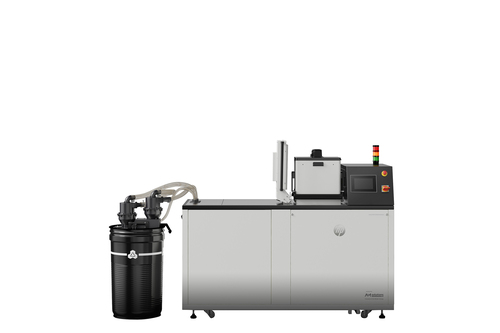
Choosing the right 3D printer can often be daunting, with factors like price, reliability, and material compatibility requiring careful consideration. From my experience, balancing budget and features is crucial. High-end models boast premium features that seem enticing, but they’re often not necessary for every user. Popular models like the HP Jet Fusion and Ultimaker usually strike a good balance between cost and capabilities, serving as a reliable choice for many.SPACEPrice isn’t everything, though. Considering compatibility with different materials can steer you toward the right purchase—it ensures that your printer can handle the projects you envision. Comparing models like those from CAD printing services and wide format varieties often highlight differences in intended use, helping you hone in on the best choice for your needs. Curious to dig deeper? Our comprehensive guide sheds more light on navigating these diverse options, making your journey into 3D printing smoother.
HP 3D Printers: Head-to-Head
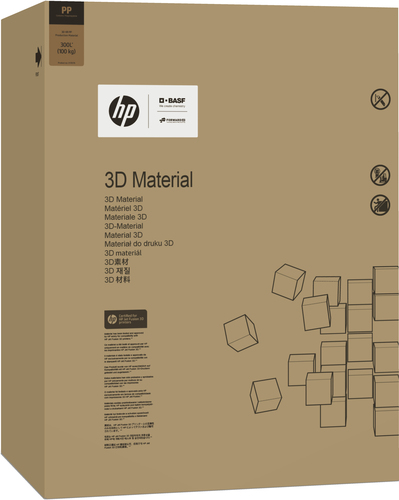
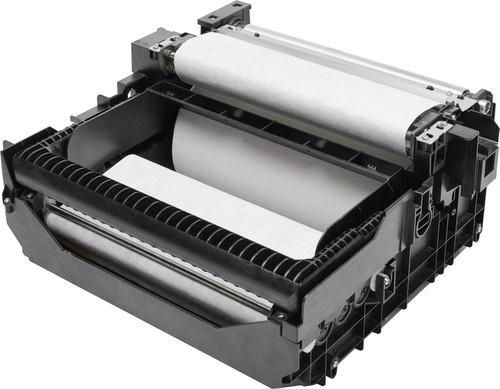
When we compare the HP 3D Process Control to the HP Jet Fusion 5200/4200 Series 3D Printhead Cleaning Roll Rubber, different strengths become apparent. The Process Control system offers precise printing and quality assurance, making it ideal for environments demanding high accuracy. On the other hand, the Cleaning Roll ensures better hygiene in printers, crucial for ongoing maintenance. Both enhance printing efficiency but in distinct ways. For large format printers, consider the Process Control, while the Cleaning Roll is perfect for upkeeping quality. Explore HP's official site for more details and options.

How to Get Started with Your 3D Printer
Setting up a 3D printer for the first time can be a thrilling experience. Start by finding a stable, level surface—this can prevent a range of future issues. After securely placing your printer, it’s essential to install the accompanying software and drivers. Next, load your filament, ensuring you’re using a high-quality brand for better results. My advice? Regularly calibrate the print bed, as this simple step can immensely improve print quality.
While navigating these early steps, avoid common pitfalls like skipping regular maintenance. Incorrect software settings can also lead to printing problems, so double-check configurations before hitting start. For more detailed steps and troubleshooting tips, our 3D printing setup guide is a valuable resource.Conclusion
The potential of 3D printing mixes innovation with practicality, unlocking new possibilities in both personal and professional realms. From producing small trinkets to orchestrating vast projects, 3D printing holds keys to discovering untapped realms. Considering its adaptability and wide range of applications, it’s no wonder so many are eager to integrate this technology into their lives. As you ponder these opportunities, I encourage you to explore HP's offerings for print supplies and innovations in wide format printing. Embrace the future today by taking a closer look into how 3D printing could transform your world. Ready to begin this exciting journey? Dive into the world of 3D printing through our comprehensive resources and start exploring the potential for yourself.
Frequently Asked Questions
Common questions about 3D Printers