Are 3D Printers Worth the Hype? Exploring Features, Benefits, and Applications
3D printing, a technology once confined to large industrial applications, is rapidly entering personal and small business spaces. This transformative tech promises to sculpt the future, shifting from factory floors to our very homes and offices. It's crucial to ask, though, as exciting as their prospects seem, are 3D printers truly worth their hype? Let's delve into the features, benefits, and applications to weigh their true value across various contexts.
Unpacking Key Features of Modern 3D Printers
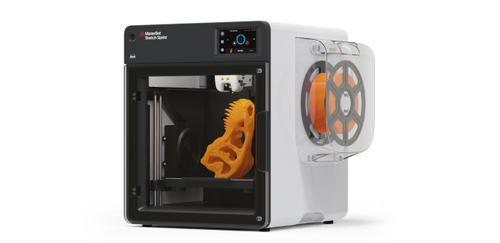
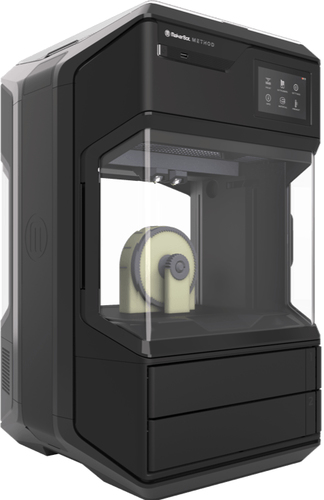
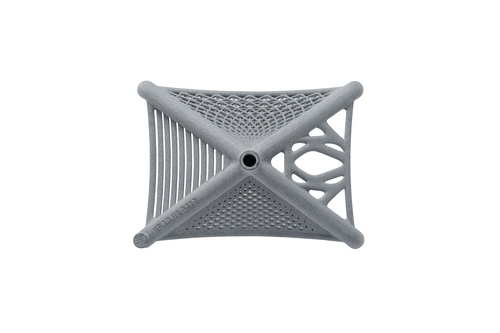
Modern 3D printers come loaded with a range of features that cater to both newcomers and seasoned users alike. Build volume, a critical feature, determines the size of objects you can create. Larger build volumes are often sought after but typically come with higher price tags.
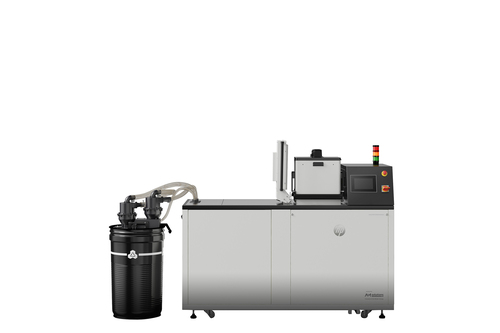
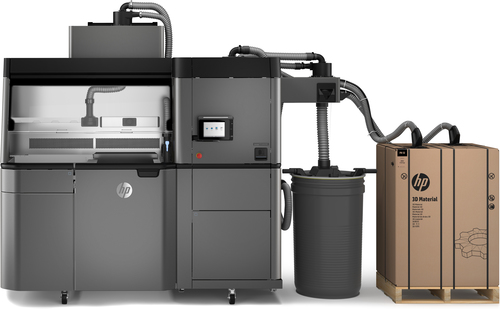
Print speed is another vital aspect. Slow printing can be a dealbreaker, so many opt for models like the HP Jet Fusion series known for its efficient print speeds, helping to minimize downtime. Material compatibility can't be overlooked. Different projects require various materials from standard plastics like PLA to more robust options like ABS. The HP Jet Fusion series shines here, offering a broader range of usable materials, improving both versatility and final product quality. For those interested, exploring our detailed review on 3D printer features will provide deeper insights. And let’s not forget ease of use—a feature that's hard to quantify but crucial for long-term satisfaction. Intuitive interfaces and reliable software, often overlooked, can make or break the user experience. With an emphasis on streamlined operation, some models excel over others, making everyday use straightforward rather than a chore.The Value Proposition: Why Invest in a 3D Printer?
Investing in a 3D printer is a decision that typically comes with several compelling benefits. First among them is time savings. Traditional manufacturing methods are time-consuming; a 3D printer can often produce complex prototypes in hours rather than weeks.
Then there's the question of resource efficiency. By only using the material necessary for each print, waste is minimized, which can be a huge cost-saver over time. Plus, the ability to rapidly prototype allows for quick iterations, a crucial advantage in fast-paced industries. Customization tends to be another primary draw. You can create one-of-a-kind items with ease, tailoring every aspect from design to material. This customization is invaluable in fields like fashion and automotive. There are many approaches to leveraging these benefits—take a look at this approach to product development that illustrates how rapid prototyping has become a staple in industrial design. While the initial investment may seem steep, the value proposition often justifies the means when you consider not just direct savings, but also the new possibilities created. Is it any wonder then that more and more people are seeing this tech as a game-changer?Practical Applications: Real-Life Use Cases
3D printers find their forte in practical applications that extend beyond mere hobbyist projects. In engineering, for instance, they're instrumental for prototyping and testing parts swiftly, thereby slashing development time. Imagine a small startup that needs to test new components but lacks the funds for a traditional manufacturing run—3D printing steps in as the hero.
Then there’s the burgeoning realm of hobby crafting. Creating custom tools or parts that are simply unavailable commercially offers unparalleled creative freedom. Industries ranging from jewelry to architecture are now utilizing 3D printing for custom designs that are otherwise impossible or prohibitively expensive. This democratization of manufacturing is genuinely revolutionary. One early adopter in the medical field, this organization, showed how 3D printing prosthetics at a fraction of the cost is helping countless communities in need. Also, check out our category on 3D printing in various industries for further inspiration. The versatility of these devices means that we're only scratching the surface of what's possible, so dreaming creatively here is not just advised—it's encouraged!3D Printing in Education and Beyond
3D printing is dramatically transforming educational landscapes, bringing theoretical concepts to life through tactile learning experiences. Schools embracing this technology in STEM curriculums often see increased engagement, with students eager to turn abstract ideas into tangible models. Whether it's drafting complex geometry or designing functional objects, the potential for enriched curriculum is immense.
Consider a high school where students design and print parts of a model city, learning about physics and engineering along the way—education becomes an interactive experience. But it's not just the classrooms that benefit; community-driven projects leverage 3D printing for social good, creating affordable resources for those in need. A case in point is how a group of hobbyists used 3D printing to supply healthcare workers with essential PPE at the height of the pandemic—a testament to the technology's impact. For those intrigued by these educational shifts, community efforts have sparked collaborations between schools and local industries, offering students a glimpse into real-world applications. This harmonious blend of education and technology isn't just inspiring; it’s paving the way for the innovators of tomorrow.Head-to-Head: ABS Filament vs. HP Jet Fusion
When delving into material choice for 3D printers, a common debate arises between using materials like ABS filament and systems such as HP Jet Fusion 5200. ABS is renowned for its toughness and tolerance in inclement conditions, making it a staple for robust applications.
In contrast, the HP Jet Fusion series offers a more sophisticated approach. It typically presents advanced functionalities, like producing parts with fine detail and smooth finish, often a step ahead when precision is paramount. While ABS with its tensile strength can be ideal for utilitarian needs, the Jet Fusion's functionality shines in industries that crave precision and efficiency. Choosing between the two isn't just about budget but also understanding the end-use requirements. For those keen on a nuanced decision-making guide, exploring the detailed comparison on filament options could prove invaluable.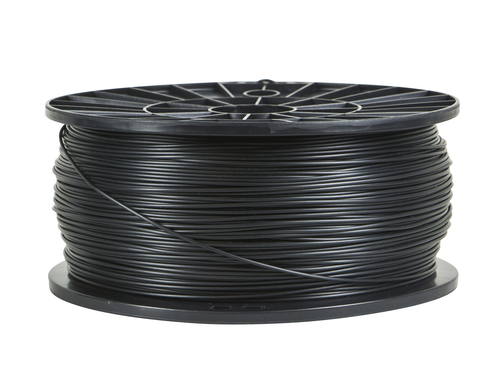
Getting Started: How to Print Your First Model
Setting up a 3D printer can feel daunting, but it doesn’t have to be. Begin with selecting the right filament; PLA is user-friendly and ideal for beginners.
Once chosen, the next critical step is calibrating the printer bed. Proper calibration often prevents printing failures—so it’s time well-invested. Many models come with an auto-leveling feature which can significantly ease this process. With these basics in check, finding a failproof design is next. Online repositories offer numerous options suitable for novices. A personal tip? Start with something simple to avoid early frustration. Throughout the printing process, maintain a close watch for common pitfalls like filament jams or uneven layers. Using these pointers, you're better prepared to tackle your first printing project with confidence. If you're growing more curious about jumping into 3D printing, this guide on starting with smart designs is a handy resource.Conclusion
3D printers, with their incredible versatility, are reshaping industries, solving problems, and creating opportunities—and their impact is only beginning to take hold. Whether it's saving resources, accelerating the innovation cycle, or democratizing creation through accessibility, these machines are altering our perspectives on design and manufacturing.
However, as with any rapidly-evolving technology, they aren’t a one-size-fits-all solution. While some may find premium models to offer unmatched benefits, others could just as effectively make do with budget-friendly alternatives. Looking ahead, we stand on the verge of further breakthroughs in materials and methods that could well redefine what we expect from 3D printing. For anyone contemplating their own journey into this fascinating field, now might be the perfect time to explore, dive into the possibilities, and explore the potential with our categorized 3D printing options. After all, one simple print today could lead to a monumental leap tomorrow, embracing the future with this cutting-edge technology.Frequently Asked Questions
Common questions about 3D Printers