Are 3D Printers the Future of Printing? Exploring Features, Benefits, and Use Cases
Ever wondered why there's so much buzz about 3D printing lately? It's being hailed as a game-changer in the tech world, and for good reason. Unlike traditional printers, 3D printers create real, tangible objects from digital designs. This post will explore the fascinating features, benefits, and applications of 3D printers. Get ready to dive into how they're shaping the future of countless industries in ways we might not even fully understand yet.
Unpacking the Key Features of 3D Printers
Let's dive into the world of 3D printers, particularly the exciting technologies like Fused Deposition Modeling (FDM) and stereolithography (SLA). These methods are the heart of what makes 3D printing so precise and versatile. FDM uses thermoplastic filaments, melting them layer by layer to create objects, while SLA uses ultraviolet light to cure resin in layers. Both allow for detailed creations with impressive accuracy and are available in our helpful 3D printing guide. But what's the magic behind their precision? It's all in the resolution; higher resolution means smoother and more detailed prints, crucial for intricate designs or prototypes.
When we talk about materials, 3D printers aren't just limited to plastic. They can also use metals, ceramics, and even food ingredients! This variety widens the scope for what you can create—from automotive parts to tailored sculptures. Have you ever considered what you might create with such capabilities at your fingertips? It's all about unleashing creativity without the constraints of traditional manufacturing. The convenience offered by today's 3D printers is a dream for hobbyists and professionals alike. Irrespective of the complexity, the ability to convert designs into reality easily is remarkable. Check out our category page for more insights and options.Why 3D Printers are a Game-Changer
3D printers are revolutionizing fields you might not immediately associate with technology, like healthcare, where custom prosthetics and medical implants are rapidly produced, tailoring exactly to patient needs. In manufacturing, rapid prototyping significantly cuts down the time from concept to market-ready products, saving both time and money. This efficiency often means a huge win for companies trying to stay competitive.
There's something truly powerful about customizing products to meet unique specifications. Consider a classroom where teachers use 3D printing to create tactile learning aids or prototypes for innovations sparked by young minds. These devices motivate creativity and individual involvement in a way traditional tools often can't. Have you thought about how this might shake up your industry? Beyond cost savings, 3D printing's potential in reducing waste is noteworthy. Traditional manufacturing usually involves cutting or molding, which leaves excess materials. In contrast, 3D printing uses almost the exact amount needed, which could significantly decrease waste over time—a familiar concern in today's environmentally conscious world. Explore more surprising benefits of 3D printing through our in-depth guides and categories.The Practical Applications of 3D Printing
Imagine needing a rare car part that's been discontinued or a tailor-made piece of furniture to complete a room—3D printing makes these scenarios more feasible than ever. The technology is now creating real-world solutions in sectors from automotive to fashion. In healthcare, for instance, creating medical implants tailored to individual anatomies is now possible, enhancing patient outcomes.
Beyond industrial use, I once had a crazy idea for a model train set with customized tracks and buildings. With some tweaks in a CAD program, I managed to turn that dream into reality. It's not just benefitting industrial giants, but also the small-scale tinkerer or artist. How might this model of creating alter your approach to projects or problem-solving? With tools like computer-aided design (CAD) services, bringing dreams to life is increasingly accessible to all skill levels, whether you're a seasoned engineer or a curious novice. If you're pondering the ways 3D printing might enhance your creativity or business, check out our resources to get started.Product Comparison: HP vs. MakerBot
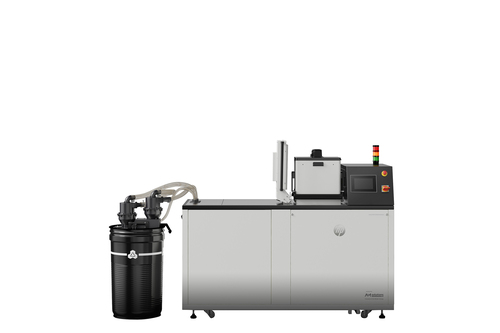
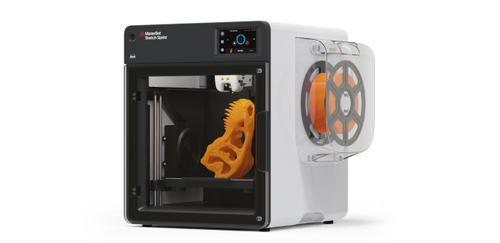
Comparing the HP 3D High Reusability PA 12 to MakerBot Sketch Sprint, we see a fascinating divergence in 3D printing philosophy. HP is geared towards producing stiff, durable parts ideal for industrial applications that require reliability and precision, featuring strong materials like PA 12 glass beads perfect for mechanical components. On the flip side, MakerBot targets beginners and educational settings, offering features like user-friendly Wi-Fi connectivity ensuring anyone can jump in and get started.
Industrial setups favor the robustness that HP offers, ensuring longevity and quality in critical parts. But, MakerBot provides accessible tools for schools and home inventors to explore and learn without the steep learning curves often associated with industrial printers. Interesting, isn't it, how the use case dictates the best tool for the job? Which of these resonates more with your goals—precision and functionality or ease of access and learning? Dive deeper into the choices with our category guides.HP vs MakerBot: Which Suits Your Needs?
In the realm of 3D printing, making an informed decision can hinge on how well a product aligns with your specific needs. For example, HP's High Reusability PA 12 is celebrated for its resilience and suitability for projects needing sturdy components and meticulous detail, essential in industries that can't compromise on integrity. Meanwhile, the MakerBot Sketch Sprint shines with its Wi-Fi convenience and user-friendliness, making it an excellent choice for educational settings where ease of use and accessibility are paramount.
When trying to decide, reflect on whether your scenario demands industrial-grade durability or if the learning-focused accessibility of MakerBot can better serve your team or class. Consider long-term usage and the type of projects you envision as you explore this technology.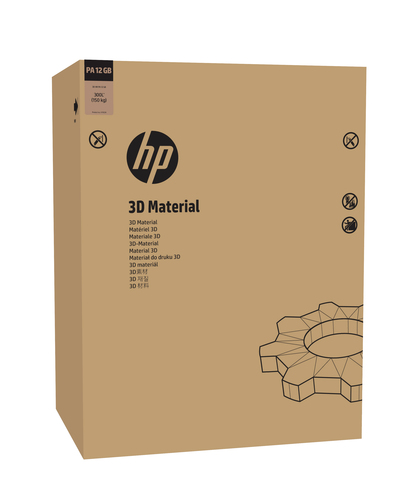
Getting Started with Your First 3D Print
Jumping into 3D printing for the first time can be exciting yet daunting! First, select a design file—many free resources are available online. Next, you'll want to configure your printer's settings, ensuring the print resolution and speed fit your needs. Then, choose a material that aligns with your project's requirements. Finally, hit 'print' and watch your creation come to life!
Here are some pro tips: remember to calibrate your printer regularly to maintain print quality and perform occasional maintenance to prevent issues. Often, folks find trial and error is their best teacher in this realm, so don't shy away from experimenting. As you navigate this learning curve, you may encounter unique problems and solutions quite familiar to the 3D printing community. For a more structured start, revisit our detailed starting guide.Conclusion
3D printing has indeed proven itself as a transformative force in many sectors, showcasing its potential to innovate and streamline processes. Its versatility—from manufacturing to healthcare, from educational settings to the creative arts—continues to inspire new possibilities. How will this technology shape the future of your industry or creative ventures? Consider how integrating 3D printing could elevate your work or products. As you ponder its adoption, don't hesitate to delve deeper into our guides and resources that can help you along the way. We warmly invite you to share your own 3D printing adventures and visions. Join the conversation and become part of the ever-expanding printing revolution. Let's explore this future together!
Frequently Asked Questions
Common questions about 3D Printers