Why 3D Printers Are Transforming the Printing Industry
3D printing, once a niche hobby filled with potential, is now making waves across massive industries like healthcare, manufacturing, and education. These printers have moved beyond just being curious gadgets to becoming essential tools for innovation. From crafting prosthetics to speeding up prototyping, the influence of 3D printers is extensive. Dive in with us as we explore the transformation 3D printers bring to traditional printing, redefining what’s possible in diverse fields.
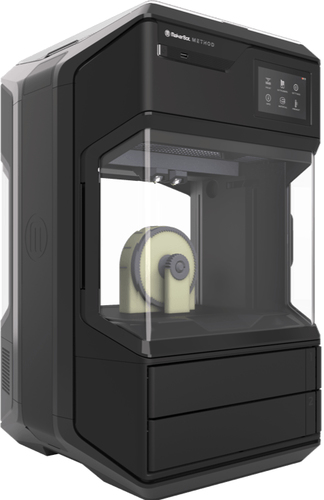
Breaking Down 3D Printer Technology
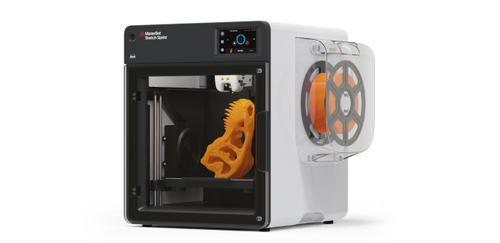
3D printers might sound like science fiction, but the technology behind them is fascinatingly tangible. At their core, they work through processes like FFF (Fused Filament Fabrication) and SLA (Stereolithography), each with its unique method of creating objects layer by layer.
You’ll often hear terms like filaments and resins tossed around—these are the materials, akin to the ink in traditional printing, that mold into the desired shapes. Technology has leaped forward, with new models boasting faster speeds and more precision, thrilling both hobbyists and professionals. What's particularly interesting is how these advancements make 3D printing accessible, pushing boundaries not just in creative projects but in critical areas such as medical device manufacturing. For an overview of these advancements, check out our 3D Printing Innovations category, where we break down the latest tech and what it means for everyday applications.Benefits: Why Invest in a 3D Printer?
Why should you consider diving into the world of 3D printing? Well, these machines aren't just for fun; they’re versatile workhorses. Whether you're crafting intricate art pieces or constructing functional components, the possibilities seem endless.
Sure, the initial investment might seem steep, but think about long-term savings! With material costs typically lower than traditional methods, not to mention the time you cut by sidestepping the usual production hurdles, the value reveals itself over time. Customization is another standout feature. Imagine creating bespoke items tailored specifically for your needs—this is where the magic of 3D printing truly lies. And let's dispel the myth: these aren't mere toys but tools revolutionizing sectors. You’d be amazed at their real-world applications, from educational tools to replacement parts. Our earlier exploration on the benefits of 3D printing delves deeper into how this technology changes the game.Practical Applications: From Blueprint to Reality
Curious about where 3D printing leaves its mark? Industries worldwide are integrating this tech in surprising ways. Take healthcare, for instance. From rapid prototyping of surgical models to creating custom prosthetics with a perfect fit, the impact is profound.
The automotive sector isn’t left behind either; think about producing complex car parts without the long lead times and costs of traditional methods. Architecture also benefits immensely by turning complex designs into tangible models, bringing what was once on paper into the real world. Such innovation beckons a question: Could a 3D printer change your business's approach? For more on how industries leverage 3D printing, we discuss detailed case studies and transformative stories.Considerations Before Buying
Thinking about adding a 3D printer to your toolkit? Let's evaluate some key factors before diving in. Budget tops the list. While it's tempting to go for high-end models, many reliable, budget-friendly options exist.
Consider your primary use. For hobbyists, an entry-level printer will usually suffice, but a professional might need advanced features for complex projects. What about materials? If you're eco-conscious, some materials are more sustainable. Lastly, the decision isn't purely about upfront costs—maintenance and replacement parts can add up. Like considering whether that premium toaster is worth it, balance is key. For advice on choosing the right model, take a look at our guide to selecting a 3D printer.Comparing 3D Printing Titans
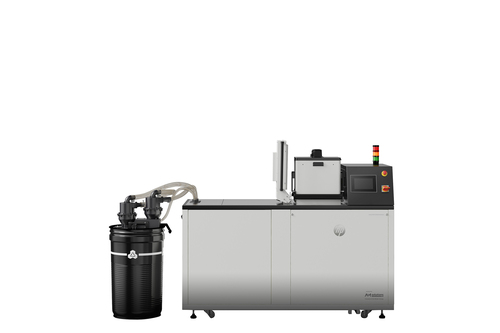
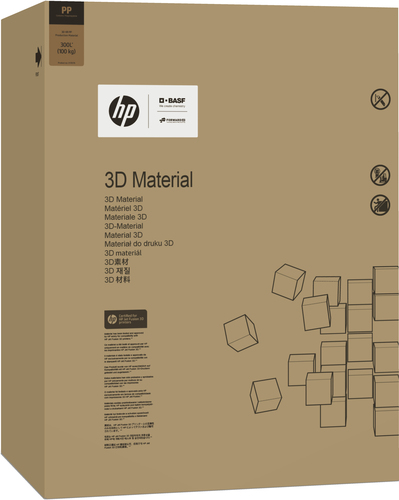
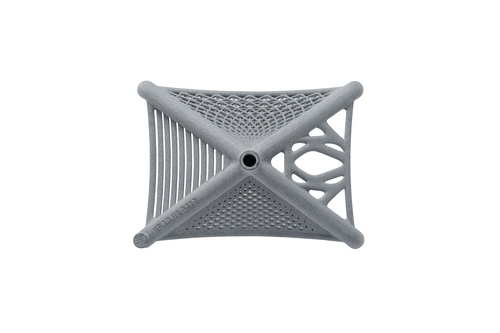
Let's explore two giants: the HP 3D High Reusability PA 12 and the HP Jet Fusion 5200 Series. The former shines with its durability and biocompatibility—ideal for low-cost functional parts. Meanwhile, the 5200 Series is known for its streamlined maintenance and broad compatibility. Each line offers unique advantages depending on your needs, from batch production to intricate bespoke designs. As earlier comparisons revealed, choosing the right printer often boils down to these nuanced differences.
Getting Started with Your 3D Printer
Ready to print your first masterpiece? Start by picking a printer that suits your needs—factor in ease of use and reliability.
Prepare your design with CAD software; won't take long before you get the hang of it. Once your design's set, it's time for the thrill of printing! However, don't forget the basics: using high-quality filaments and conducting regular checks ensure your projects turn out perfect every time. Oh, and for those pesky common mistakes, our detailed starter's guide walks you through potential pitfalls and quick fixes.Conclusion
3D printing isn’t just another tech trend—it’s a revolution influencing myriad sectors. From education to aerospace, its impact is undeniable, challenging traditional methods and offering innovative solutions.
As these printers become more affordable and versatile, it’s worth pondering their role in your own projects. Could they streamline your workflow or offer cost-effective solutions? New models often surprise with capabilities that rival traditional methods in quality. Don't let plotter-based CAD services and wide format printing be your only tools. Explore our expansive resource center to uncover more about integrating 3D printing into your future plans—a decision that could redefine your approach to creativity and efficiency.Frequently Asked Questions
Common questions about 3D Printers