Why Are 3D Printers the Future of Printing?
3D printers have emerged as the latest innovation revolutionizing the print world and spearheading a shift towards digital manufacturing. These machines' versatility spans numerous industries, bringing a touch of futurism to everyday tasks. Whether you’re a hobbyist or a large-scale manufacturer, there's much to explore about this groundbreaking technology. Join us as we delve into the intricate features, bountiful benefits, insightful comparisons, and diverse applications of 3D printers.
Understanding 3D Printer Features
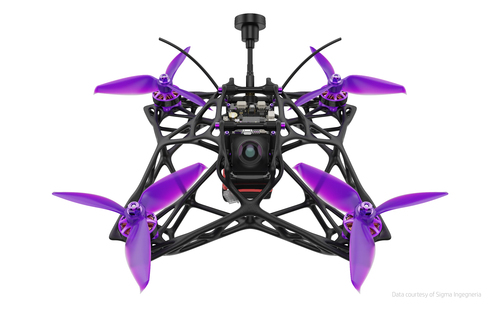
When it comes to contemporary 3D printers, the array of features they offer is quite astounding. At the heart of these marvels is precision layering, a process that allows for meticulous detail in every creation. You'll often hear terms like 'extrusion,' which refers to the process of material being pushed out to form layers, or 'g-code,' the language that instructs the printer on how to create your masterpiece.
The innovation doesn’t stop there. Advanced filament materials have entered the scene, from biodegradable plastics to robust metals—each catering to various needs. Wide-format printing is also making noise, enabling larger projects to come to life. What’s more, blueprint precision ensures that each design meets exact specifications. This reliability is crucial, whether you're a hobbyist printing a simple model or an industry expert tackling complex parts. Consider exploring our categories for more insights on models catering to different needs. It’s not just about art and craft anymore; 3D printing technology has grown to become a reliable partner in various sectors, continuously spawning innovations.Benefits of Using 3D Printers
3D printing heralds numerous benefits, not least of which are cost reduction and faster production timelines. By utilizing less material than traditional manufacturing methods, these printers become an ally in economic sustainability. The introduction of biodegradable filaments reflects a commitment to eco-friendliness, which is crucial in today’s environmentally-conscious world. Mycadprinting, for example, offers same-day printing possibilities, showcasing how 3D printing can dramatically cut down prototyping time.
Engineers and designers usually gravitate towards this technology for one primary reason: it revolutionizes prototyping. Previously a process fraught with delays, 3D printing accelerates creativity and innovation. That said, while some might find the concept intimidating, the value proposition speaks for itself in terms of efficiency and resourcefulness. To know more about why 3D printers are game-changers, explore this article. As industries evolve, so do the methods with which we craft and build. 3D printing stands poised to lead this change, offering versatile, quick, and sustainable solutions.Applications of 3D Printing Across Industries
3D printing isn't just a technological marvel; it has found practical applications in industries you might not even expect. Take healthcare: 3D printers have transformed the prosthetics game, enabling more precise and custom solutions for patients. The automotive sector isn’t far behind, using this technology for custom parts that fit specific design requirements. Fashion, often thought to be less tech-oriented, is now embracing bespoke designs through 3D printing to create unique, personalized items.
Anecdotal evidence abounds of unique creations born from 3D printing. One example that comes to mind is the creation of a fully functional bicycle using this technology—not just a model, mind you, but an actual, ridable bike. It's innovations like these that highlight the problem-solving capabilities inherent in 3D printing. For even more examples of this tech prowess, make sure to delve into our categories. Be it a wide-format printer taking on high-volume projects, or a small desktop unit handling intricate designs, 3D printing is breaking boundaries across various domains, solving real-world problems one layer at a time.Choosing the Right 3D Printer for Your Needs
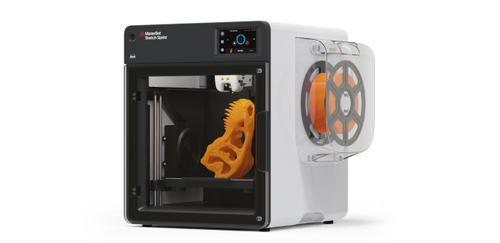
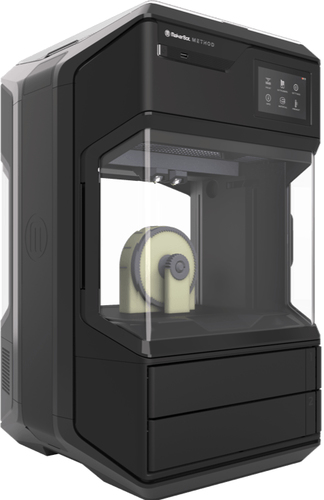
Selecting the right 3D printer often boils down to your specific needs, budget, and project scope. For beginners, an entry-level model might suffice—it's usually more straightforward to operate and doesn’t break the bank. On the other hand, professionals might look to large-format printers offering more complex features.
In my experience, it's crucial to weigh options like printer repair services and print supply availability. While premium models have their merits, they aren't always necessary for basic projects. And trust me, deciding between the many available options can be a real head-scratcher. Consider exploring this expert advice for guidance. Printer repair options and availability of print supplies are also paramount. Nobody wants a printer that spends more time being fixed than working. Once you’ve narrowed down your choices, it’s worth considering feedback from other users and maybe visiting a vendor outlet for demos. It might sound cliché, but you’ll know the right one when you see it.Comparing HP's Jet Fusion Models
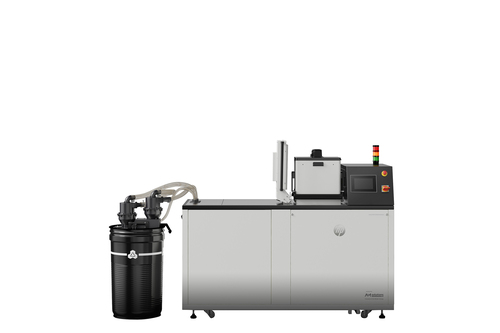
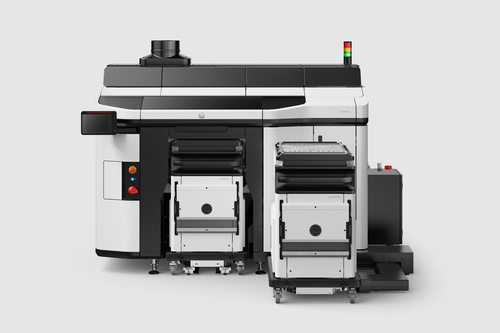
When it comes to high-quality 3D printing, HP's offerings often lead the conversation. Comparing the HP Jet Fusion 5200 3D Natural Cooling Unit with the HP Jet Fusion 5200 3D Printer, you'll find several differences—particularly in sustainability and scalability. The former boasts efficiency for mid-volume tasks, while the latter fits high-volume production environments.
Industrial-level performance and optimal yield define both models, but there's a distinct advantage in selecting one over the other depending on your needs. For businesses aiming at expanding their production capabilities, the Jet Fusion 5200 printer’s features might provide that extra edge. However, the natural cooling unit serves those seeking efficiency and sustainability. These considerations are what typically make HP a powerhouse in the industry. And for more such comparisons, here's a detailed guide that could be just what you're looking for.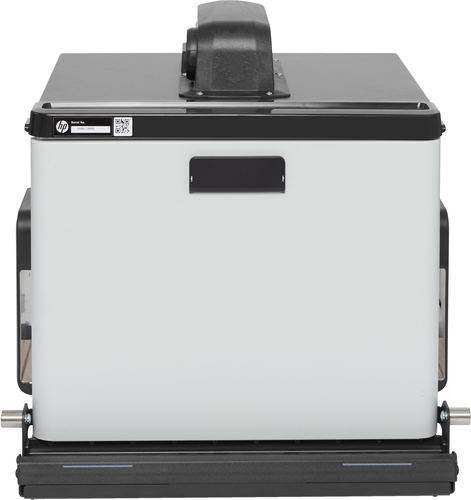
How to Start 3D Printing: A Beginner’s Guide
Setting up your first 3D printer might sound challenging, but following these steps usually makes the process smoother. First, choose the right software—it’s often bundled with the printer and is crucial for creating those initial designs. Then, level your print bed; this is a critical step that typically affects quality.
Load your filament according to the manufacturer’s instructions. Once you’ve done that, run a test print to ensure everything’s functioning as it should be. Common mistakes often lie in calibration—getting it wrong could lead to failed prints. But don't worry, practice makes perfect. As a pro tip, maintaining your machinery can prevent most issues down the line. For more detailed tips, check out our beginner 3D printing guide. It’s a treasure trove for newbies, complete with pitfalls to avoid and tips to enhance your 3D printing experience from day one.Conclusion
As we wrap up, it’s clear that 3D printing’s impact is profound, affecting myriad industries with its adaptability and economic efficiency. From rapid prototyping to full-scale manufacturing, the opportunities seem endless. With future trends promising faster processing and expanding material options, the future is indeed bright.
Encourage yourself to explore the diverse applications, starting perhaps from the prototypes, then moving on to manufacturing. To stay ahead, consider HP's offerings for models fitting your criteria. And, as you explore this exciting realm, keep asking questions; the more you delve, the more you'll uncover endless possibilities. Check our category page, and perhaps start your 3D printing journey today. The world of innovation awaits!Frequently Asked Questions
Common questions about 3D Printers