How 3D Printers Revolutionize Manufacturing and Design
In recent years, 3D printing has burst onto the scene, revolutionizing how industries tackle manufacturing and design challenges. Have you ever wondered just how impactful this technology can be in everyday manufacturing? As we delve into this blog, you'll discover how 3D printers not only enhance creativity but also streamline production processes. So, what exactly makes 3D printing a game-changer? Let's explore its standout features, practical benefits, and exciting use cases together.
Understanding 3D Printer Features
3D printers come with an array of features that can feel a bit overwhelming at first. But once you get the hang of terms like build volume—essentially the maximum size of the object you can print—and layer thickness, it all starts to make sense. These specifications are crucial in determining the precision and detail you can achieve.
For instance, if you're considering projects that require fine detail, understanding layer resolution is key. It refers to how thinly the printer lays down each subsequent layer of material, typically measured in microns. Nozzle diameter also matters; a smaller diameter can result in finer details. Having dabbled in selecting a 3D printer myself, HP and Canon stood out as reliable brands with competitive features. Material compatibility, such as with PLA or ABS, is another critical feature. PLA is easy to work with, often favored by hobbyists for its biodegradable nature, whereas ABS offers more strength. Each material comes with its own set of pros and cons, influencing your final project. Exploring a range of options on a category page can offer valuable insights into what fits your unique needs.The Benefits: Transforming Ideas into Reality
The benefits of 3D printing extend far beyond mere cost savings. Imagine taking an idea from a sketch to a physical prototype in just a few hours. That's the magic of rapid prototyping, which significantly reduces lead times in the manufacturing world. Drawing from real-world examples, the automotive industry rapidly creates custom parts, while healthcare providers develop patient-specific prosthetics with ease.
Cost-effectiveness is also a significant advantage. Instead of outsourcing, companies can bring production in-house, which often leads to substantial savings. And let's not forget customization possibilities; 3D printing allows for personalization never before feasible with traditional manufacturing. In today’s world, reducing waste is crucial, and 3D printing usually creates pieces part by part, minimizing excess. I'll never forget the time a 3D printer saved my project. Faced with a tight deadline, resorting to a 3D printer not only conserved resources but also met the tight turnaround needed. These machines aren't merely tools—they're productivity powerhouses capable of transforming wild ideas into tangible results.Practical Applications: Limitless Possibilities
When it comes to practical applications, 3D printers are incredibly versatile. They've been used to create custom prosthetics, offering personalized solutions that can transform lives. Meanwhile, artistic fields are thriving, with intricate jewelry designs being crafted effortlessly; artists like Mycadprinting and Always Printing push boundaries daily.
Large format printing, particularly with blueprints, showcases 3D printing's scope beyond small-scale projects. Imagine a classroom or creative studio humming with the energy of students brainstorming, designing, and printing—they're creating and innovating in real-time. It's in these vibrant environments that you truly appreciate the innovation spark that 3D printers ignite. This technology invites experimentation, offering a hands-on experience that encourages learning and creativity. For more insights into how 3D printing is reshaping various fields, check out our blog on bringing ideas to life. These machines truly redefine what's possible, transforming big ideas into reality with each exciting print.Choosing the Right 3D Printer: Things to Consider
Choosing a 3D printer can feel a bit daunting, but it doesn't have to be. Start by identifying your purpose—are you a hobbyist or do you intend to use it for industrial-grade tasks? Budget naturally plays a crucial role in this decision.
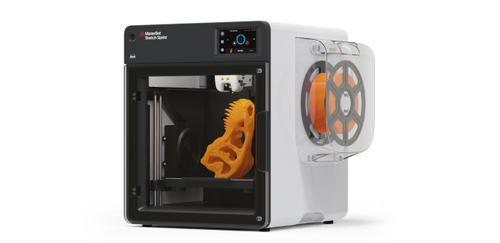
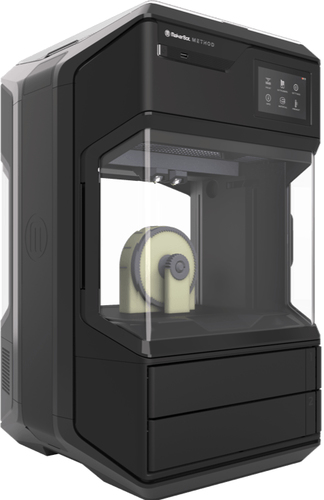
If you're just starting out, desktop models might fit the bill without breaking the bank. For those with bigger ambitions, industrial-grade printers could be more appropriate. Technical skill level is another factor to consider; some printers are more user-friendly, while others demand a technical understanding. When it comes to compatibility, software requirements can be a deal breaker, so ensure that your computer's capabilities align with the printer's. If you're evaluating long-term benefits, options like the HP DesignJet and Epson SureColor offer robust features. But, remember, a premium option isn't always necessary. Sometimes, the simpler models perform beautifully for specific needs. For more tips on choosing wisely, check out our guide on selecting a 3D printer. Remember, it's about finding the balance between needs and resources—often a mid-range model will suit just fine, striking that ideal balance of quality and affordability.Head-to-Head: HP 3D Solutions
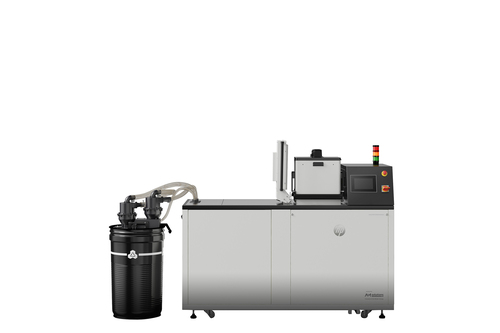
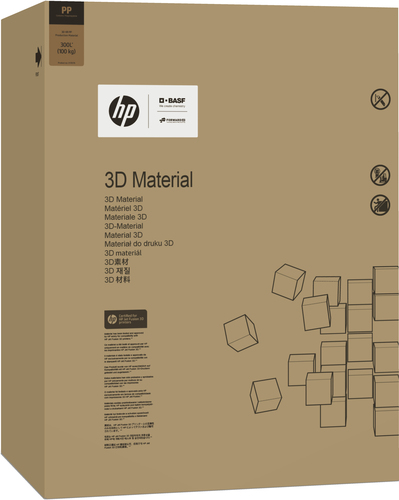
Let's dive into a comparison between two of HP's standout products: the HP 3D High Reusability TPA and the HP Jet Fusion Series. The TPA model is renowned for its high reusability, making it an excellent choice for projects requiring sustainability and frequent material reuse.
On the other hand, the Jet Fusion Series is celebrated for its impressive cleaning capabilities, offering fuss-free maintenance—a boon for continuous operations in a busy manufacturing setting. Each has its niche. Industries benefit differently from these models; TPA's versatility in material usage can be a game-changer for companies prioritizing eco-friendliness. Meanwhile, the Jet Fusion's maintenance benefits streamline operational workflows. Both of these options offer distinct features such as broad material compatibility and certain environmental benefits—truly adaptable tools for a wide array of industrial applications.
How to Start 3D Printing
Starting with 3D printing might seem intimidating at first, but it doesn't have to be. Here's a simple step-by-step guide to get you going. First, select a model that aligns with your intended use—something user-friendly if you're a beginner. Next, set up your printer efficiently, following all the manufacturer's instructions. Choosing the right software tools is crucial, as they affect your workflow significantly.
Regular maintenance, like cleaning print heads, will prolong your printer’s life. Avoid common mistakes, such as not calibrating the printer correctly; this can lead to printing errors. For a smoother start, optimize your designs before printing; it's a critical step often overlooked. A helpful 'Pro Tip': always preview your model in the slicing software to catch errors early. By following these steps, you'll be on your way to printing success in no time.Conclusion
To wrap up, it's clear that 3D printing is no longer a futuristic concept; it's a transformative force across many industries. Whether you're looking into healthcare advancements or automotive innovations, the applications of 3D printing are profound and varied. If you're considering whether this technology suits your needs, reflect on the undeniable benefits it offers.
While challenges exist, such as a learning curve and initial investment, the widespread availability of printer supplies and support services eases the adoption process. If you're curious about how 3D printing might fit into your plans, check out our blog on choosing the right 3D printer for further reading. It’s an era where embracing such innovation could mean the difference between sticking with the status quo and leading the charge into the future of manufacturing. Dive deeper into this fascinating world—explore, innovate, and see how 3D printing can revolutionize your work and projects.Frequently Asked Questions
Common questions about 3D Printers