3D Printers: Transforming Ideas Into Reality with Ease
In recent years, 3D printers have fundamentally altered the landscape of innovation across a multitude of industries. From translating intricate digital designs into tangible creations, these marvels of technology have become an essential toolkit for both businesses and hobbyists. Whether you're an entrepreneur eager to prototype efficiently or a DIY enthusiast wishing to craft unique items, 3D printing opens up a world of possibilities, offering a seamless way to bring ideas to life.

Understanding 3D Printers: Key Features and Jargon
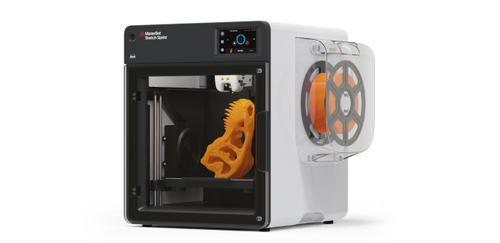
At its core, a 3D printer transforms a digital model into a physical object by adding material layer by layer. One key feature you’ll encounter is print resolution—similar to pixel density in a photograph, it governs the level of detail your printer can achieve. A finer resolution often results in smoother surfaces and more precise details, critical when creating detailed architectural models or intricate mechanical parts.
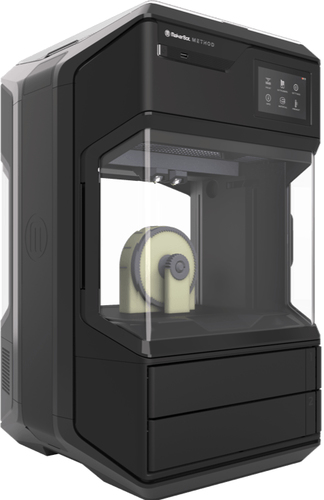
Equally important is build volume, which indicates the maximum size of an object a printer can produce. This becomes essential if you’re working on larger projects like furniture components or extensive industrial designs. Material compatibility is another crucial aspect to consider. Most hobbyist printers utilize filaments like PLA or ABS—a bit like choosing the right type of paper for your printer. But in industrial applications, you might need something more specific such as metal or carbon fiber filaments. When navigating industry-specific jargon, terms like FDM (Fused Deposition Modeling) or SLA (Stereolithography Apparatus) come up often. They refer to the different printing technologies, each with its unique strengths: FDM is often praised for its material versatility and cost-effectiveness, while SLA is favored for its high-resolution capabilities. Understanding these aspects will not only improve your purchase decisions but enhance your overall 3D printing experience. For those new to the field, our 3D printer category page offers further insights and options.Benefits You Can't Ignore: Why Invest in a 3D Printer?
One of the standout benefits of owning a 3D printer is the cost savings in prototyping. Imagine creating multiple iterations of a product without the traditionally high costs of production! This ability has revolutionized industries such as aerospace, where prototyping is crucial and often costly.
The customization these printers offer is another mighty perk. The medical field, for example, uses them to create bespoke prosthetic limbs that fit individuals perfectly. This level of personalization would have been prohibitively expensive and complex just a few years ago. Speed is also a significant advantage. In industries like automotive, reducing the time from concept to prototype can be game-changing. Being able to swiftly design, test, and refine models often means staying ahead in competitive markets. For hobbyists and crafters, 3D printing is a playground of creativity. From designing unique home decor items to developing personal inventions, the only limit is imagination. On a practical note, 3D printing encourages a culture of innovation—often driving efficiency and sustainability as well. Whether you're considering a printer for personal or professional use, the potential benefits are vast and varied.From Blueprints to Objects: Practical Applications
In the industrial realm, 3D printing has become synonymous with rapid prototyping—particularly in the automotive sector, where bringing design concepts swiftly to life can determine a project’s success. Schools, too, are harnessing this technology for educational enrichment; what better way to teach physics or engineering than through hands-on creation?
Companies like Mycadprinting have revolutionized CAD services, enhancing how blueprints transform into three-dimensional forms. This process not only improves operational efficiency but also encourages creativity and new learning methodologies within educational settings. On a smaller scale, many artists and designers have embraced 3D printing, using it to push the boundaries of their crafts. By printing components in unique materials, they can craft items previously believed impossible or financially unviable. There's no denying the transformative effects; 3D printing, often amplified by innovative CAD services, continues to provide businesses with competitive advantages and empowers educational programs to deliver more interactive and impactful learning experiences. For those interested in the intricacies of these applications, our detailed category page provides an excellent starting point.Caring for Your Investment: Maintenance and Upkeep
Maintenance is crucial to keep your 3D printer running smoothly—just like any piece of technology. Regular cleaning of the nozzle and bed prevents buildup that could otherwise interfere with your projects. Proper storage of filaments, akin to ensuring ink in a printer doesn't dry, is equally essential. It's also vital to replace worn parts promptly to maintain print quality. In my experience, neglecting such bits can lead to frustrating print failures.
Keeping up with firmware updates may sometimes be overlooked, but these updates often resolve buggy behaviors and enhance printer performance. Think of it as similar to app updates on your smartphone—often offering fixes and improvements crucial for sustained optimal function. A common pitfall is skipping these routine checks, thinking they're unnecessary. However, even small routine tasks, such as tightening loose screws (which many overlook), can considerably prolong the life of your machine. Interestingly, such maintenance tasks can also serve as a learning opportunity—offering insights into the mechanics of 3D printing. For those needing more guidance, our comprehensive guides offer step-by-step instructions tailored to different printer models.Comparing Maintenance Kits: Jet Fusion 5200 vs. 4200
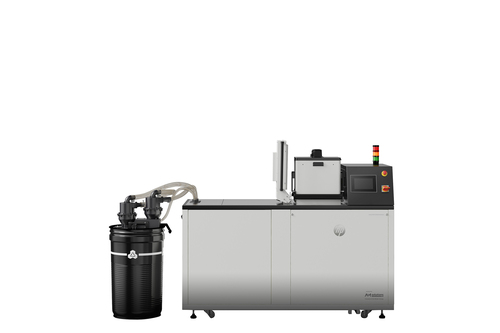
When comparing maintenance kits for the HP Jet Fusion 5200 and 4200 Series, you'll notice distinct differences in compatibility and pricing. The 5200 kits are typically positioned for more advanced or heavy-duty use compared to the 4200, which can be a more budget-friendly option. The advanced components in the 5200 kit reflect its robustness and reliability, especially for large-scale applications.
On the other hand, the 4200 kit shines in versatility, offering solid performance for less intense operations. Pricing often correlates with these use case differences—making it essential to align your choice with needs and budget. Ensuring your printer's longevity and operational reliability largely depends on selecting the right maintenance kit. For more detailed information and options, you can explore these products: HP Jet Fusion 5200 Kit and HP Jet Fusion 4200 Kit.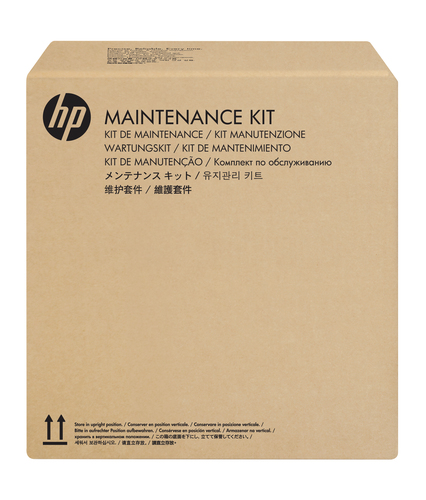
Getting Started: Your First 3D Print Adventure
Setting up your first 3D printer can seem daunting, but it’s a rewarding journey. Start by carefully unboxing and placing your printer on a stable surface. Most models come with step-by-step manuals, easing initial installation and software configuration—almost like setting up a new computer.
Initial calibration is crucial for achieving high-quality prints. Aligning the print bed and fine-tuning the nozzle height ensures accuracy and prevents issues later on. For beginners, embarking on simple projects like a keychain or small figurine is a fantastic way to build confidence. These projects often encourage exploration and learning through practice. Common hurdles like filament jams or misalignment can be easily resolved using troubleshooting guides available online. Hands-on experience teaches invaluable lessons, making seemingly complex issues more approachable. Meanwhile, beginner-friendly online resources here can provide further insights and solutions, ensuring a smoother start to your 3D printing endeavors.Conclusion
Embracing 3D printing is not just about owning a gadget; it's venturing into a realm of boundless creativity and efficiency. It seamlessly merges artistic expression with practical application, suitable for hobbyists and professionals alike. Whether you're looking to innovate in your business, enhance educational experiences, or create just for fun, this technology offers endless possibilities.
Encouragingly, the industry continues to evolve, integrating more sustainable materials and approaches. This adaptation not only benefits the environment but also introduces diverse options for creators concerned with ecological impacts. For those curious to explore how this technology can become part of your life or business, our comprehensive resources here offer a closer look. As tech enthusiasts, we’re always just as much about the journey as the destination. Dive into the innovative future and transform your ideas into tangible realities!Frequently Asked Questions
Common questions about 3D Printers