Why Choose 3D Printers? Discover Features, Benefits, and Practical Uses
Imagine turning digital dreams into tangible realities—3D printers do just that! These amazing devices have revolutionized the way we create, from intricate prototypes to functional components. In this blog, we'll explore what makes 3D printers special, their myriad benefits, and practical applications. Curious if a 3D printer might be your next game-changing purchase? Let's delve into the features, advantages, and real-world uses that make 3D printing an intriguing possibility.
Understanding 3D Printer Features
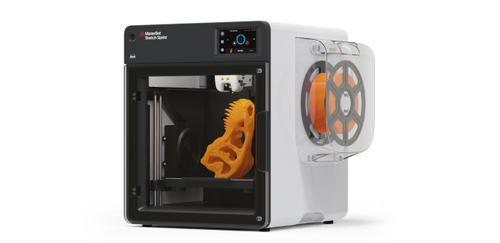
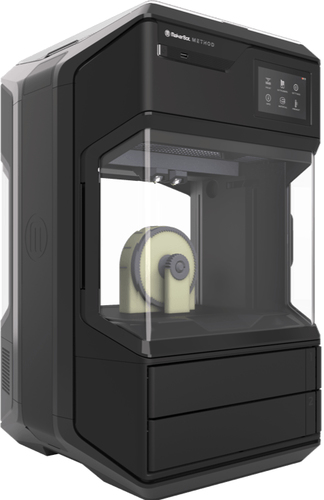
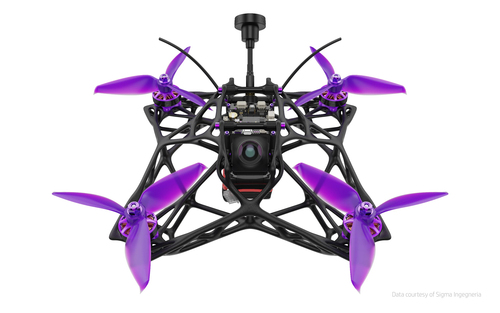
When we talk about 3D printers, the technological marvels within are quite fascinating. Their core features like layer resolution, print speed, and material compatibility play a vital role in influencing the outcome—and it doesn't stop there. Layer resolution, for instance, determines the fineness of each printed layer—meaning a higher resolution typically translates to greater detail and smoother surfaces. Meanwhile, print speed is the pace at which a three-dimensional object is built, usually varying between models, affecting production flow. Of course, one can't overlook material compatibility—different printers are tailored for certain materials, such as PLA or ABS, expanding versatility.
Technological advancements in these features have expanded applications immensely. Take Mycadprinting, for example—a pioneering name in CAD printing, benefiting greatly from enhanced precision and versatility. Higher precision achieved with advanced models is instrumental for sectors where detail and accuracy are paramount. Nevertheless, it's crucial to recognize the trade-off between cost and capability. While high-resolution models offer increased functionality, they may also demand a more considerable investment and careful consideration of your needs. This nuanced view of features is critical when exploring options at the category level.Unveiling the Benefits of 3D Printing
One compelling aspect of 3D printing is its ability to significantly reduce production costs and increase design freedom. Imagine a world where customizing an object is as simple as modifying a digital file—sounds ideal, right? Companies like HP DesignJet exemplify this by providing large format solutions that demonstrate substantial time savings and customization capabilities. For instance, blueprint printing becomes a breeze, tangible within hours instead of days, enhancing productivity.
The personalization aspect of 3D printers is something to marvel at. Tailored solutions are often more efficient than traditional methods, allowing for modifications without extensive retooling. Increased design freedom enables creators to innovate beyond conventional boundaries, nurturing an environment where imagination reigns. From bespoke jewelry to intricate medical models, customization has never been this accessible or affordable. Reflecting on my own experience, I recall a project where utilizing 3D printing saved both costs and resources dramatically. Needing specialized components, traditional manufacturing was too expensive. With 3D printing, not only did costs plummet, but the timeline was halved—a clear testament to this technology's potential. Again, the affordable yet powerful options available make it an attractive solution for varied needs.Practical Applications: Bringing Designs to Life
The practical applications of 3D printing are diverse, unlocking potentials that were once merely aspirational. Prototype creation, for instance, is incredibly streamlined—instead of waiting weeks for a manufacturing run, businesses can produce prototypes in-house virtually overnight. This immediacy is crucial in fast-paced industries like tech and fashion, where speed-to-market can be a game-changer.
Education is another area seeing revolutionary change. Imagine a classroom where students design and print their experiments, turning theoretical exercises into tactile learning experiences. This tangible approach often enhances understanding, making education not only interactive but profoundly engaging. Similarly, wide format printing opens avenues for large-scale endeavors, such as architectural designs, where scale models provide innovative presentation opportunities. Considering the medical field and its adaptation of 3D printing, the prospects are groundbreaking. From prosthetics to replicating organs for surgeries, the ability to create hyper-accurate models fosters more effective treatment plans. Such advancements beg the question—what will you create once a 3D printer becomes part of your toolkit? None of these scenarios would have been feasible without the evolution of printing capabilities, as detailed in our other articles.Choosing the Right 3D Printer for Your Needs
Deciding on the right 3D printer hinges on various factors: budget, intended use, and desired features. While it might seem daunting at first, approaching it methodically can simplify the process considerably. For example, premium models like the HP DesignJet offer advanced features for professional settings, while entry-level printers might suffice for hobbyists or those beginning their 3D journey.
Budget considerations are vital—spending significantly on premium features can be counterproductive if they're not utilized. It's often beneficial to weigh the expected workload and technical requirements before committing. The Canon imagePROGRAF is a noteworthy mention for those who prioritize quality slightly over cost; offering excellent performance for artistic and technical prints alike. That said, it's crucial to evaluate if premium options truly meet your needs. In my experience, I've often found that while top-tier models showcase impressive specs, they can sometimes overshadow practical day-to-day usability for regular tasks. Thus, choosing the right product involves balancing aspiration with reality—a fascinating topic explored further here.Comparing Popular HP 3D Printing Solutions
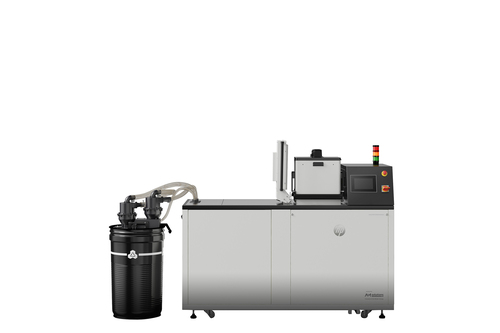
The HP 3D High Reusability PA 12 and HP 3D400 Fusing Agent offer distinct advantages, often suited to varying needs. While PA 12 delivers formidable strength and durability, ideal for engineered parts, the 3D400 specializes in delivering precise, glossy aesthetics, perfect for intricate designs. If you're aiming for robust components, the material strength of PA 12 may be your goto choice.
On the flip side, when precision and finishing quality are essential, the glossy finesse of the 3D400 could prove invaluable. Compatibility is also key—ensuring these materials align with your existing setup can maximize efficiency and results. As always, for those unsure which solution fits best, our choosing guide is sure to shed further clarity.
How to Begin Your 3D Printing Journey
Embarking on your 3D printing adventure might feel overwhelming, but breaking it down simplifies everything. Start by researching models that align with your goals and budget. Once you've chosen, carefully follow your new device's setup instructions—ensuring you're familiar with basics like leveling the print bed and loading filaments correctly.
Your initial prints should be simple, gradually increasing complexity as you gain experience. This progression helps build confidence and familiarizes you with the nuances of maintaining quality output. Trouble spots might arise, and that's where community forums and manufacturer guides, such as our best practices article, become invaluable. An important tip would be to regularly calibrate and clean your machine—preventive maintenance will save time and resources in the long run. Tackling small projects at first, like custom keychains or simple brackets, can quickly transform beginners into confident creators.Conclusion
Reflecting on the insights shared, 3D printing is truly a transformative journey from crafting detailed models to enabling rapid prototyping. The features and benefits discussed promise significant benefits across various sectors. By incorporating 3D printers into your processes or hobbies, the potential for innovation increases exponentially. Picture the possibilities: workflow optimization, personalized production, creative expression—all within reach. As you consider the next steps, we invite you to explore different 3D printer models to find one that aligns with your aspirations and goals. Embrace the capabilities and join the ever-growing community of makers and inventors, continuously pushing boundaries with each new print. Discover the transformative potential of 3D printing here, and start your adventure today!
Frequently Asked Questions
Common questions about 3D Printers