Why Are 3D Printers Revolutionizing Manufacturing Today?
Remember when 3D printing seemed like magic? Today, it's revolutionizing industries from aerospace to healthcare. The potential of 3D printers spans rapid prototyping to manufacturing end-use products, driving immense change. Intrigued by how 3D printers are more relevant than ever? Let's dive deeper into these extraordinary devices shaping our future, exploring their features, their advantages, and how they cater to diverse needs across various sectors.
What Defines a Great 3D Printer?
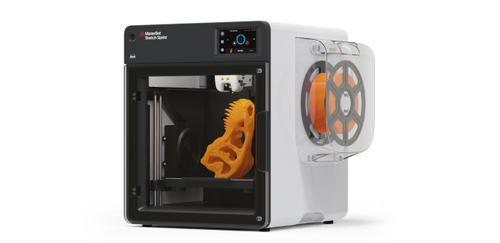
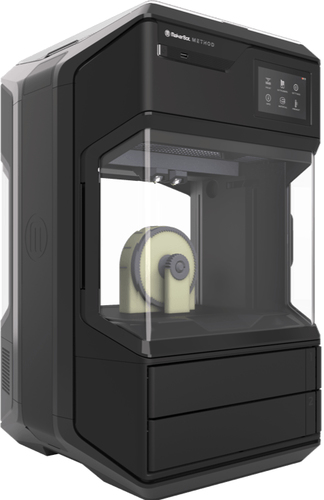
When it comes to 3D printers, size does matter—starting with build volume. It's all about how large a piece you can print in one go. Depending on your projects, you might need something hefty or compact.
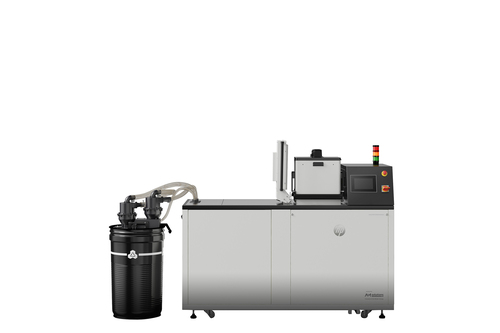
Then there's resolution, measured in microns, which directly affects how smooth or intricate your designs turn out. A lower micron count results in finer detail. Material compatibility also plays a pivotal role. Imagine working with a versatile machine that handles anything from PLA to ABS without a hiccup. User interfaces have come a long way, too. Think of touchscreens that walk you through the process—almost like your printer's giving you a high-five for each milestone. Meanwhile, CAD (Computer-Aided Design) compatibility shouldn't be overlooked. It's crucial for translating your brilliant ideas into printable designs. Consider models like the HP 3D High Reusability series, which come with all these features packed in, offering a seamless experience. For more on these core features, check out our detailed blog insights. To explore a vast range of 3D printer options, take a look at our category page.The Benefits: Why 3D Printers Are Essential
Cost-efficiency is a major advantage—3D printing can cut prototyping expenses significantly, which is excellent news for startups and large firms alike. It's often the most economical route when small to medium product runs are needed.
Speed is another game-changer. While traditional manufacturing can be slow, 3D printing accelerates timelines, turning weeks into days. This efficiency opens doors for rapid innovation. Not to mention customization. Imagine designing a custom part without minimum order requirements. In healthcare, this is lifesaving—creating tailored solutions like prosthetics. Meanwhile, in automotive, there's freedom for rapid design iterations. Beyond cost and speed, productivity gains are enormous. Companies report fewer bottlenecks, allowing them to pivot swiftly to market needs. Innovation isn't just a goal; it's a reality fostered by 3D printing's flexibility. Want a more detailed look at its impact? Explore our deep dive on value propositions.Diverse Applications: Where 3D Printing Shines
3D printing finds its niche across numerous fields. In architecture, creating intricate models from blueprints has never been easier or more precise. It's transformational, especially when teams need to visualize complex designs quickly.
Then there's medicine, where printing custom-fit prosthetics or medical implants offers a personalized touch previously unimaginable. It allows innovations tailored specifically to individual needs. Meanwhile, other traditionally slow sectors, like aerospace, are catching on, using 3D printing for efficient parts production. This adaptability extends to roles in printer repair and maintenance—essential as dependency on these technologies grows. Large format printers are gaining attention, expanding possibilities for oversized applications, often coupled with CAD services offered by companies like Mycadprinting. Discover more about these applications on our category page.Navigating Key Considerations When Choosing a Printer
Budget is often the starting point when selecting a 3D printer. Consumer models might suit hobbyists, but industrial ones cater to businesses with larger needs. Balancing cost with performance is vital for investment planning.
Intent matters, too. Are you aiming to print prototype gadgets or customized cosplay items? Mission goals influence printer specifications. Material choice should align with your project's demands as well. Differences between consumer and industrial printers are significant. Industrial versions usually handle higher workloads and offer support for a wider material range. A detailed examination can be found in our guide to choosing the right printer. Don’t overlook ongoing expenses. Supplies, like filaments and maintenance kits, add up. Speaking to vendor support, warranties can be lifesavers when issues arise—having a responsive vendor can make all the difference.HP 3D Printers: Comparing Leading Models
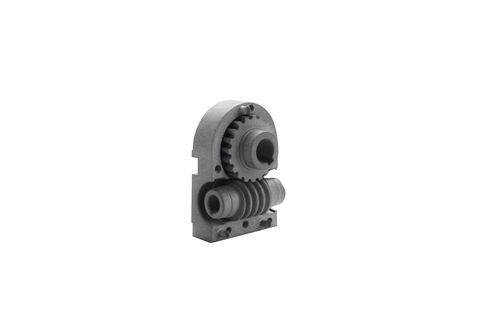
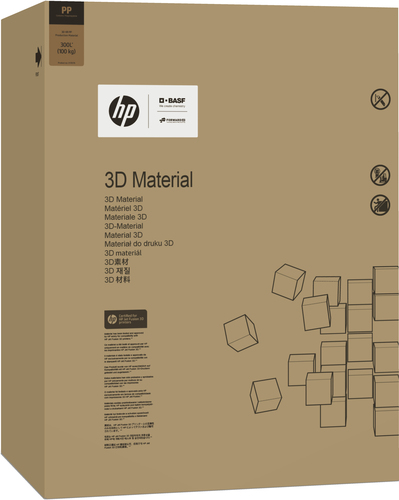
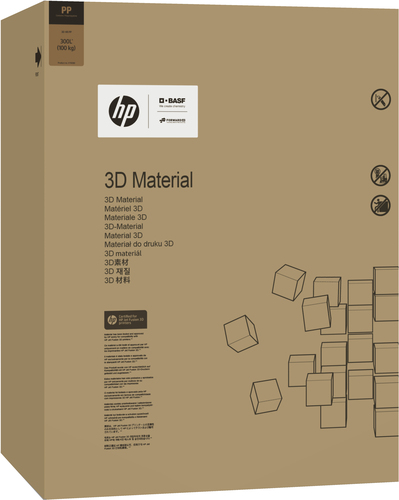
Evaluating the HP 3D High Reusability PA 11 300L versus the HP 3D High Reusability PP from BASF 300L reveals nuanced differences. The PA 11 offers ductility, making it ideal for products like prosthetics that require flexibility. Meanwhile, PP excels in chemical resistance, which is advantageous in automotive prototyping.
This premium model stands out for its biocompatibility, while the standard version prioritizes resilience. Both offer substantial value for investment, notable for ease of use and backed by HP's solid vendor reputation.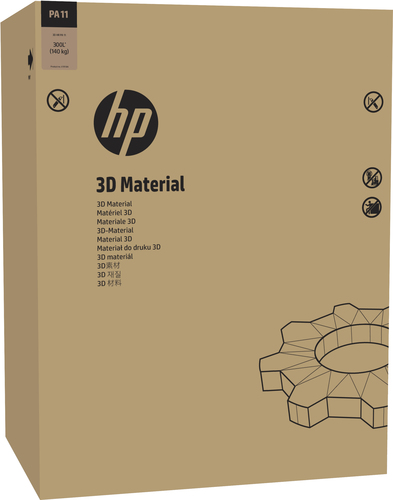
How to Set Up Your 3D Printer for Success
First, select a stable site for your printer—a shaky table can lead to frustrating results! Leveling the bed is crucial for print quality, almost like a chef ensuring even baking.
Loading material correctly? That's your next task. Take your time, and remember, regular feedstock calibration is your best friend for consistent results. Avoid common pitfalls like incorrect material settings or missing driver updates. Manuals are goldmines, offering valuable insights. Frequent industry forums provide quick troubleshooting tips shared by seasoned users—don't hesitate to tap into this community's wealth of knowledge.Conclusion
The transformative promise of 3D printing isn't just theoretical—it's happening now, reshaping industries and sparking creativity on every scale. As you consider incorporating a printer in your personal or professional sphere, recall the benefits we've explored. There's certainly a learning curve, but the rewards are significant, from innovation speed to customization. For larger, complex projects, the HP DesignJet may be worth exploring.
Let's embark on this 3D printing journey together, pushing boundaries and empowering ideas. To discover more, head over to our expansive category page.Frequently Asked Questions
Common questions about 3D Printers